If you own or hope to buy a condo in West Loop, outdoor space can feel like the feature that changes everything. In a dense, fast-moving market where buildings sit close to nightlife, restaurants, and ongoing development, a balcony, terrace, or roof deck can make a home feel more private, more livable, and more memorable. That does not mean every outdoor space adds value in the same way, and understanding the difference can help you make a smarter move. Let’s dive in.
Why outdoor space stands out
West Loop is known for its urban energy, converted loft buildings, newer high-rises, and easy access to downtown. It is also a place where buyers often weigh walkability and style against noise, density, and limited private space. In that setting, well-designed outdoor space tends to stand out because it offers breathing room in a neighborhood where that can be hard to find.
That context matters in today’s market. As of May 2026, Realtor.com classifies West Loop as a seller’s market, with a median listing price of $475,000 and homes selling at about 102% of asking on average. Redfin’s neighborhood snapshot shows a median sale price of $515,000, up 6.2% year over year, with price per square foot up 9.2% year over year.
Not all outdoor space is equal
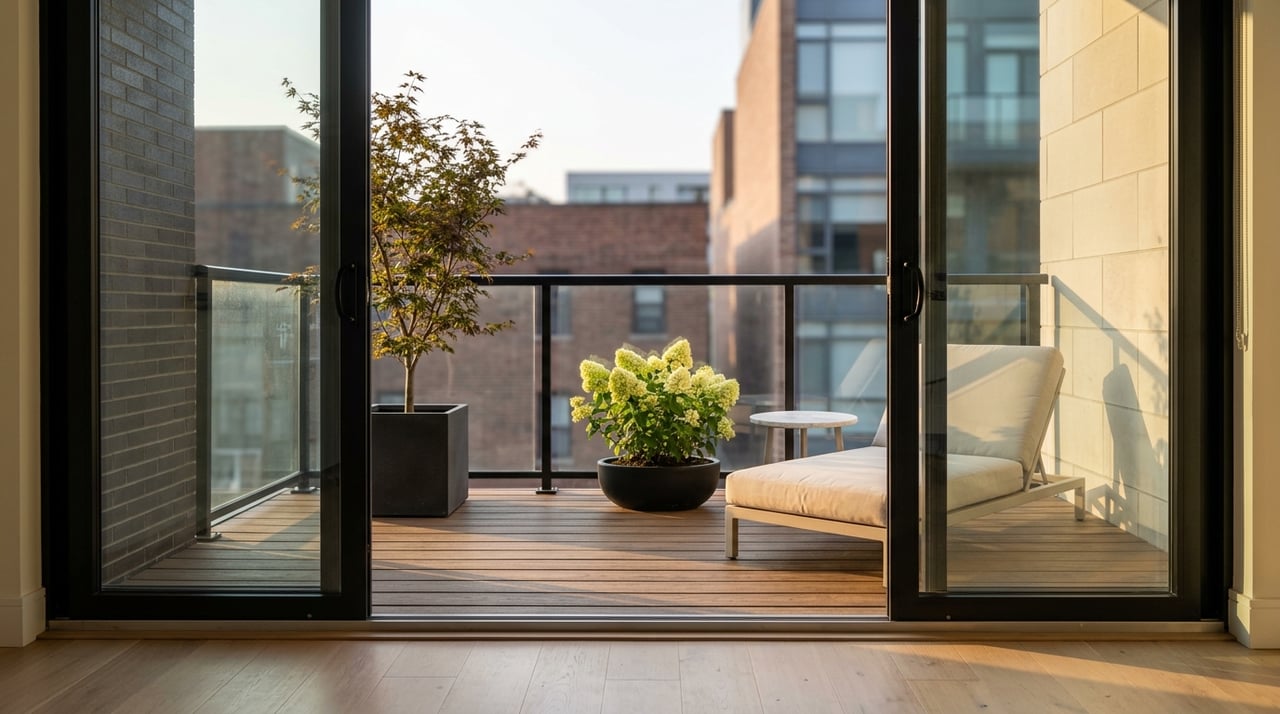
When buyers compare condos, they usually do not view all outdoor areas the same way. A narrow balcony that fits little more than a chair or two does not typically carry the same appeal as a terrace with room for dining, lounging, or container gardening. In West Loop, the most marketable spaces tend to function like a true extension of the interior.
Recent listings help show the pattern. Units in the area have been marketed with features like private balconies off the kitchen for grilling, private rooftop decks with outdoor kitchens and planters, 500-square-foot terraces, and oversized penthouse terraces approaching 800 square feet. Across different building types, the common thread is usability.
What buyers seem to value most
Based on the recent listing mix in West Loop and Fulton Market, outdoor space appears to have the strongest pull when it offers more than simple square footage. Buyers tend to respond to space that feels intentional, private, and connected to daily living. In practical terms, a great outdoor area often checks several boxes at once.
Privacy matters
In a neighborhood with busy streets, nightlife, and nearby construction, privacy can be just as important as size. A terrace that faces away from noise or feels more sheltered may stand out more than a larger but exposed space. In West Loop, orientation can shape how relaxing and useful an outdoor area actually feels.
Usability drives appeal
The outdoor spaces that get attention are usually large enough to furnish and enjoy. If you can fit a dining set, lounge seating, or grilling setup, the space starts to feel like an outdoor room instead of a decorative add-on. That distinction can influence both buyer interest and perceived value.
Layout connection helps
Outdoor space often feels more valuable when it flows directly from the main living area or kitchen. Buyers can picture entertaining more easily when the transition feels seamless. Listings that highlight kitchen-adjacent balconies or living-room access are reinforcing that idea.
Views and penthouse positioning add scarcity
Corner units, penthouses, and rooftop decks often carry extra appeal because they can offer wider views and more separation from neighboring units. In a dense condo market, that combination can feel rare. Scarcity does not create value on its own, but it can strengthen demand when paired with good design and function.
How this affects condo value
There is no dependable West Loop-wide dollar premium published for balconies, terraces, or roof decks. The safest takeaway is that value depends on the specific unit, the building, and how useful the outdoor area is in real life. In other words, outdoor space is not a simple formula.
What the current market does suggest is that outdoor space can improve a condo’s competitive position. It can help a unit feel differentiated, especially when many buyers are comparing similar floor plans in a concentrated area. In a seller’s market, features that create emotional pull and practical livability can support stronger demand.
National remodeling research also points in the same direction. The National Association of REALTORS® reports that curb appeal matters strongly to both real estate professionals and buyers, and outdoor projects often have strong estimated cost recovery, including 95% for a new patio and 89% for a new wood deck. Those numbers are national and not specific to West Loop condos, but they support the broader idea that outdoor living has meaningful buyer appeal.
Why Fulton Market helps frame demand
Adjacent Fulton Market offers a useful comparison point because it appears even more premium and faster-moving in Realtor.com neighborhood data. Fulton Market shows a median listing price of $725,000 and median days on market of 16, compared with West Loop at $475,000 and 24 days. That does not mean every West Loop condo should be priced like Fulton Market, but it does highlight how premium finishes and scarcity features can influence perception.
For a West Loop condo, a large private terrace or rooftop deck can be positioned as both a lifestyle feature and a limited-supply feature. That is especially true in newer or luxury-leaning buildings where buyers may already expect strong design, polished interiors, and standout amenities. When outdoor space feels rare, it can become part of the property’s identity.
What sellers should do
If you are selling, the goal is to present outdoor space as part of the home, not as an afterthought. Buyers want to understand how they would use it, how private it feels, and whether it adds something meaningful to daily life. The way you prepare and market the space can shape that perception.
Stage it like a real room
Use scale-appropriate furniture that shows clear function. A small bistro set, a pair of lounge chairs, or a compact dining layout can help buyers understand the space immediately. Clean lines usually work best because they make the area feel larger and more refined.
Highlight practical features
If the balcony sits off the kitchen and works well for grilling, say so. If the terrace has skyline views, built-in planters, or room for entertaining, those details deserve emphasis. Current listing language in the area often foregrounds exactly these features because they help buyers imagine everyday use.
Focus on privacy and orientation
Square footage alone does not tell the full story. If the outdoor area feels tucked away, quieter, or protected from direct exposure, that can be a selling point. In West Loop, a well-oriented space may matter as much as a larger but less comfortable one.
Invest in visuals
Outdoor space photographs best when it is styled and uncluttered. For a feature that can influence clicks and showings, strong photography and video matter. This is often where a marketing-first strategy can help turn a nice feature into a memorable one.
What buyers should consider
If you are buying, it helps to look past the words private outdoor space and ask how the area actually functions. A pretty balcony may not justify a pricing stretch if it is too narrow, too exposed, or disconnected from the main living areas. The best test is whether the space would meaningfully change how you live in the home.
Ask these questions during your search
- Is the outdoor space private or closely overlooked?
- Is it large enough for furniture you would actually use?
- Does it connect naturally to the living room or kitchen?
- Is it quiet enough to enjoy regularly?
- Does it feel like an extra room or more like a symbolic feature?
Those questions can help you separate true value from marketing language. In West Loop, the difference between a small balcony and a functional terrace can be significant, even if both appear attractive in photos.
The real takeaway for West Loop
In West Loop, outdoor space usually matters less as a raw square-footage bonus and more as a livability feature. It can make a condo feel calmer, more flexible, and more distinct in a dense urban setting. That is why buyers often respond most strongly to spaces that feel private, furnished, and connected to the home’s main living experience.
If you are selling, that means presentation matters. If you are buying, that means function matters. In both cases, the right outdoor space can shape not just value, but how quickly a condo stands out in a competitive market.
Whether you are preparing a West Loop condo for market or weighing whether a terrace or rooftop deck justifies the price, a tailored strategy can make a real difference. For expert guidance on pricing, presentation, and how to position standout features in today’s market, connect with Carol Collins.
FAQs
How does outdoor space affect West Loop condo value?
- Outdoor space can improve a condo’s appeal and competitive position, especially when it is private, usable, and connected to the main living area. There is no dependable West Loop-wide dollar premium published, so the impact varies by unit and building.
What type of outdoor space do West Loop condo buyers want?
- Buyers often respond best to outdoor areas that function like an extra room, such as terraces, rooftop decks, or large balconies with space for furniture, grilling, or entertaining.
Does a small balcony add value to a West Loop condo?
- It can add appeal, but usually not in the same way as a larger terrace or rooftop deck. The more functional and comfortable the space feels, the more likely it is to influence demand.
Should West Loop condo sellers stage outdoor space?
- Yes. Staging helps buyers understand scale and use, which can make the space feel more valuable and more connected to the rest of the home.
Is private outdoor space rare in West Loop condos?
- Private outdoor space is a premium feature in a dense urban market, especially when it comes with privacy, views, or penthouse positioning. That sense of scarcity can help a listing stand out.
How can you evaluate outdoor space when buying a West Loop condo?
- Look at privacy, usable size, layout connection, and noise exposure. The key question is whether the space will genuinely support how you want to live and entertain.