If you are eyeing a Bucktown two-flat, three-flat, or four-unit as your next value-add play, the opportunity is real, but so is the margin for error. In a tight, premium market, the investors who win are usually the ones who underwrite carefully, renovate with discipline, and position the finished property for both income and resale. This guide will show you where Bucktown supports multi-unit ROI, what to watch in Chicago-specific diligence, and how to shape a rehab that feels turnkey instead of speculative. Let’s dive in.
Why Bucktown Supports Value-Add
Bucktown continues to show the kind of supply-and-demand balance that can reward a well-executed rehab. Realtor.com’s April 2026 snapshot showed just 43 homes for sale, a median listing price of $899,900, a median sold price of $861,000, and a median 24 days on market. The same data showed a 102% sale-to-list ratio, which points to strong buyer competition for the right product.
That backdrop matters if you are deciding whether a multi-unit rehab can pencil. A market with limited inventory and quick absorption gives you more room to create value through better condition, stronger presentation, and cleaner operations. In Bucktown, the finished building often matters as much as the acquisition price.
The rental side also provides support. Realtor.com reported a median rent of $2,600, with 59 rental listings and year-over-year rent growth of 11.83%, while rental inventory fell 16.09% year over year. Cushman & Wakefield’s Q4 2025 Chicago multifamily report also showed 96.2% occupancy in the Bucktown/Logan Square/Avondale submarket, above Chicago’s non-downtown multifamily occupancy of 95.5%.
For many investors, that combination suggests a practical strategy: improve, stabilize, then sell when the timing is right. Instead of relying on a rushed exit, you may have the option to lease into a healthy market while you wait for the best resale window.
Start With the Right Buy
In Bucktown, the best rehab deals are not always the ones with the most dramatic before-and-after potential. Often, the stronger play is a property that can be modernized without losing its income-producing structure. That matters because Chicago’s two- to four-unit housing stock is an important part of the city’s rental supply, and in higher-cost North and Northwest Side neighborhoods, these buildings are often lost through conversion to single-family homes or condos, according to a HUD Chicago study.
For an investor, that creates a useful lens. If the building already works as a multi-unit property, preserving that function may protect more long-term value than forcing a different use. In a neighborhood like Bucktown, buyers and future investors often pay for stable income, efficient layouts, and clean execution.
When you evaluate an acquisition, focus on a few basics first:
- Unit count and current layout
- Whether the building can be improved without major occupancy changes
- Mechanical condition and deferred maintenance
- Exterior presentation and entry appeal
- Tax and permit history
- Realistic lease-up or resale timeline
A pretty spreadsheet can hide a weak business plan. In this submarket, the details behind the deal usually drive ROI more than the headline purchase number.
Underwrite Permits and Timing Realistically
One of the easiest ways to damage your return is to underestimate the permit timeline. The City of Chicago says renovation and alteration permits that require architect- or engineer-prepared plans are tracked through its permit system, and its Time to Permit tracker showed a total time to permit of 87 days as of May 23, 2026.
That does not mean every project will take exactly that long, but it does mean your timeline should have real cushion. If your carry costs assume a quick start and your permits drag, your budget can tighten fast. This is especially important if your project involves more than cosmetic upgrades.
Contractor compliance matters too. Chicago administers licenses for rehab and demolition work, and permit issuance can be delayed if a contractor’s license is inactive, expired, or missing current insurance. In plain terms, using the right licensed trades is not just best practice. It can directly affect your schedule.
If your project changes occupancy or qualifies as a substantial rehab, plan for a post-completion inspection before a Certificate of Occupancy can be issued. That final step should be part of your calendar from day one, not an afterthought at the end.
Don’t Ignore Property Tax Risk
In Bucktown, tax underwriting deserves the same attention as your construction budget. Cook County Assessor guidance says City of Chicago properties are not on a full 2026 reassessment cycle, but they can still be reassessed if permit applications, division work, or other special circumstances affect the property.
That means your post-rehab numbers should not assume today’s tax bill will remain static. If you improve a building significantly, your future operating costs may shift. For a hold strategy, that affects cash flow. For a resale strategy, it can affect buyer perception and pricing.
A strong investment plan tests more than one tax scenario. If the return only works under the most optimistic assumptions, it may not be a strong Bucktown deal.
Prioritize the Rehab Scope That Pays
In a premium neighborhood, it is easy to overspend in the wrong places. The better approach is to focus on upgrades that improve daily function, show well in photos and tours, and support durable tenant or buyer appeal.
For Bucktown multi-unit rehabs, a smart order of operations is usually:
- Kitchen upgrades
- Bathroom improvements
- Systems and deferred maintenance
- Exterior polish and entry presentation
- Storage and finish details
Houzz’s 2026 study puts the median spend at $20,000 for a minor kitchen remodel and $55,000 for a major kitchen remodel, rising to $75,000 for a major remodel of a larger kitchen. That does not mean you should spend to the max. It means kitchens tend to absorb real dollars, so they should be planned intentionally.
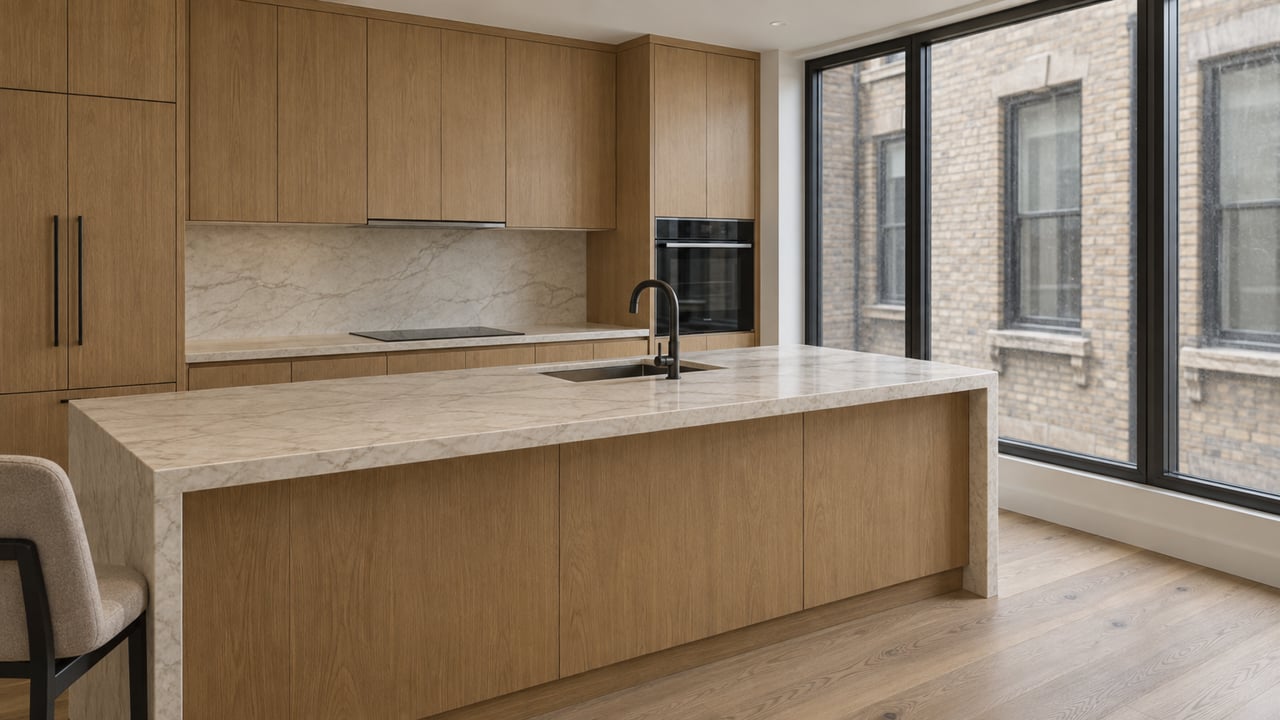
The same Houzz research is useful for design direction. Transitional style remained the top kitchen style, Shaker doors were the clear favorite, and engineered quartz stayed the leading countertop choice. Recessed and undercabinet lighting remained dominant, while built-in storage features were widely used, especially pantry cabinets, beverage stations, walk-in pantries, and breakfast bars.
For Bucktown, this points to a simple conclusion: buyers and renters tend to respond to clean, durable, storage-forward finishes. A timeless package often performs better than an overly custom one that narrows your audience.
Focus on Exterior ROI Too
Interior upgrades matter, but the outside of the building often shapes the first pricing conversation. NARI’s 2025 Remodeling Impact Report found that exterior renovations delivered stronger ROI than many discretionary interior projects. Its top cost-recovery examples included a steel front door at 100%, a fiberglass front door at 80%, and closet renovation at 83%.
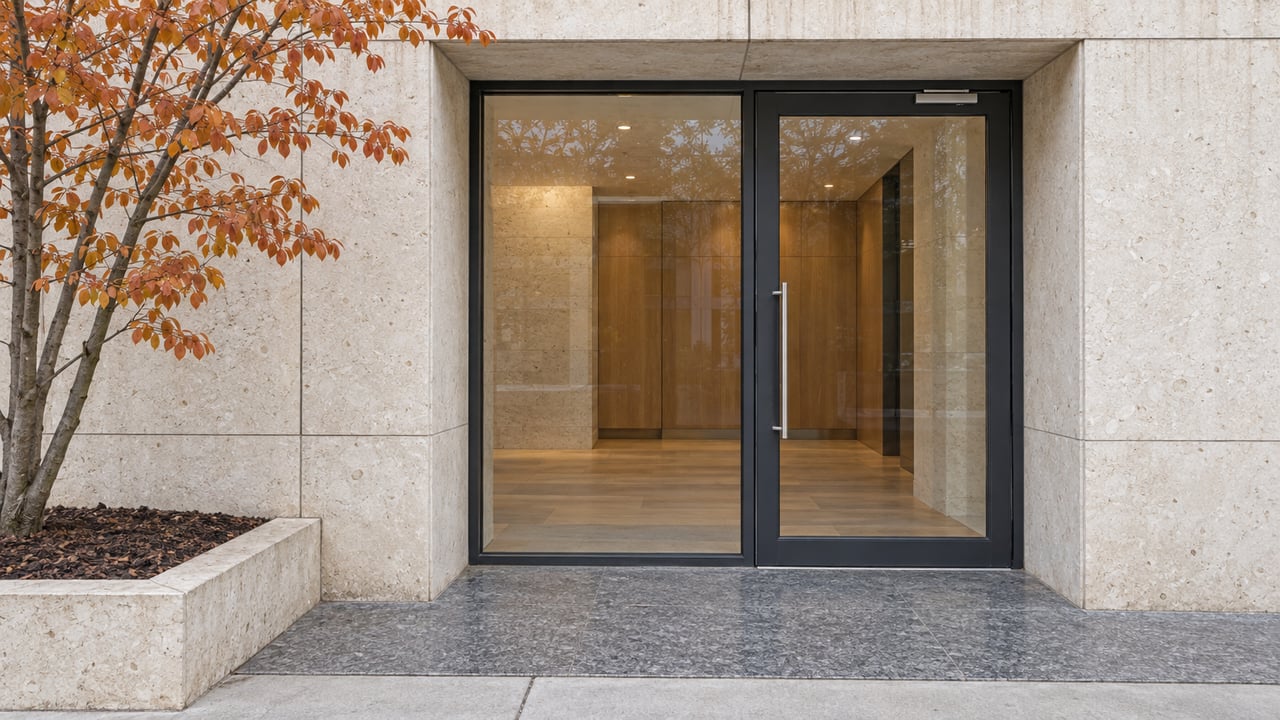
That is especially relevant in Bucktown, where curb appeal can help your property stand out fast in a low-inventory market. A fresh front elevation, updated entry hardware, clean windows, and a polished common approach can make the building feel more complete before a buyer or renter steps inside.
If your budget is tight, do not treat exterior work as optional fluff. On a resale-driven project, visible improvements often support faster, stronger offers because they reinforce the idea that the property has been carefully maintained.
Build for Leasing and Resale
The strongest Bucktown multi-unit rehabs usually work in two ways. They lease well if you decide to hold, and they present as turnkey if you decide to sell. That dual-track positioning gives you flexibility if market timing changes.
The current leasing backdrop supports that approach. Bucktown’s median rent and reduced rental inventory point to ongoing demand, while submarket occupancy at 96.2% suggests a renovated building can stabilize efficiently. If your units are well designed and well documented, holding for income may buy you time for a stronger eventual exit.
On the resale side, the message should be clear and credible. Realtor.com’s April 2026 data showed Bucktown as a seller’s market, with a 102% sale-to-list ratio and 62.5% of homes selling above list price. In that environment, a completed, permit-backed, low-maintenance asset often attracts more confidence than a property with “future upside” left for the next owner.
Keep Chicago Compliance Tight
If you plan to lease during or after the rehab, city-specific compliance should be part of your operating plan. Illinois Legal Aid explains that the Chicago Residential Landlord and Tenant Ordinance applies to many private rentals and subsidized units, while most provisions do not apply to owner-occupied rentals with six or fewer units except for certain termination, written-lease, and lockout or emergency-repair rules.
The key takeaway is practical. Keep your lease forms, notices, repair records, and turnover procedures organized from the beginning. Good records can help support smoother operations now and a cleaner sale later, especially if your eventual buyer is another investor.
Lead compliance also matters in older Bucktown buildings. For most pre-1978 housing, known lead-based paint information must be disclosed before a sale or lease, and renovation, repair, and painting work should follow lead-safe rules and use Lead-Safe Certified firms where required.
These steps are not just boxes to check. They help protect your timeline, your resale story, and your credibility with buyers and tenants.
What Maximizes ROI in Practice
If you strip the strategy down to basics, Bucktown multi-unit ROI tends to come from a few disciplined moves:
- Buy a building with a workable existing income structure
- Underwrite permits and taxes conservatively
- Spend where function and durability matter most
- Improve exterior appeal, not just interiors
- Keep all contractor, permit, and compliance records organized
- Position the finished asset as turnkey and low-maintenance
In other words, the best rehab-to-resale projects in Bucktown are rarely the flashiest. They are the ones where the numbers, design choices, and documentation all support the same story.
For investors, that is where a local, renovation-savvy advisor can create an edge. Knowing which updates will resonate, which buildings can support a cleaner plan, and how to frame the final product for the Bucktown buyer pool can make a meaningful difference in outcome.
If you are considering a Bucktown multi-unit acquisition, planning a rehab, or deciding whether to hold or sell, Carol Collins can help you evaluate the opportunity with an investor-minded, design-aware strategy.
FAQs
What makes Bucktown attractive for a multi-unit rehab investment?
- Bucktown combines low for-sale inventory, a 102% sale-to-list ratio, strong rental demand, and 96.2% submarket multifamily occupancy, which can support both lease-up and resale.
How long can permits take for a Bucktown rehab in Chicago?
- The City of Chicago’s Time to Permit tracker showed total time to permit of 87 days as of May 23, 2026, so your timeline should include realistic cushion.
Which rehab upgrades add the most value in a Bucktown multi-unit property?
- Kitchen upgrades, bathroom improvements, systems work, and exterior presentation tend to offer the strongest value because they improve function, durability, and buyer perception.
Why should Bucktown investors pay attention to Cook County property taxes after rehab?
- Even though City of Chicago properties are not on a full 2026 reassessment cycle, Cook County guidance says reassessment can still happen if permit activity or other special circumstances change the property.
Can leasing a Bucktown multi-unit before resale improve flexibility?
- Yes. With solid rent levels, shrinking rental inventory, and high occupancy in the submarket, leasing can help stabilize the property while you wait for the right sale window.
What Chicago compliance issues matter in an older Bucktown rehab?
- Key items include permit and contractor licensing compliance, possible Certificate of Occupancy requirements, Chicago lease and recordkeeping practices, and lead-based paint disclosure and lead-safe renovation rules for many pre-1978 buildings.