Selling a Gold Coast high-rise can look simple from the outside, but the details are where deals are won or lost. If you are preparing to sell a condo or co-op in one of Chicago’s most recognized lakefront-adjacent neighborhoods, you need more than a list price and a few photos. You need a smart plan for pricing, paperwork, building logistics, and presentation. Here is what to focus on before your listing goes live.
Know Whether You Are Selling a Condo or Co-op
This is the first step because it shapes the entire sale process. In Illinois, a condo owner holds deeded real property, while a co-op owner holds shares in a cooperative corporation and occupies the home through a proprietary lease.
That difference matters because co-op sales in Chicago are often more restrictive. Boards may review the buyer, request financial documents and references, and require an interview before approving the purchase.
By contrast, condo associations typically have a more limited role in resale. Illinois law also limits a condominium association’s ability to block a sale for unlawful reasons, including because a buyer is using FHA-guaranteed financing.
Why This Matters Early
If your home is in a co-op, buyer screening and board review can affect timing and buyer expectations. If it is a condo, the transaction may be more straightforward, but buyers will still look closely at association finances, rules, and monthly costs.
Getting clear on the ownership structure at the start helps you and your agent prepare the right documents, anticipate questions, and avoid surprises once offers come in.
Build Your Disclosure Packet Early
In a Gold Coast high-rise, paperwork is not a side task. It is part of the marketing strategy.
Under the Illinois Residential Real Property Disclosure Act, sellers of condominium units and residential cooperative units must deliver the disclosure report before the contract is signed. If new information comes up before closing, you also have a continuing duty to update that disclosure.
If a material defect disclosure is delivered late after a contract is signed, the buyer may have a 5-business-day right to terminate. That is one reason it pays to gather everything up front instead of scrambling later.
What the Seller Disclosure Covers
The state disclosure focuses on the unit itself and limited common elements. It is not a substitute for an inspection, and it does not cover broader building issues tied to common elements.
That means buyers will look beyond your seller disclosure to understand the building’s condition and financial picture. In a high-rise sale, that bigger story often matters just as much as the interior of the unit.
What the Association Must Provide
For condo resales in Illinois, the seller must obtain key association documents from the board and make them available to a prospective buyer upon demand. These materials include items such as:
- Declaration, bylaws, and rules
- Statement of liens and unpaid assessments
- Anticipated capital expenditures for the current or next two fiscal years
- Reserve fund status
- Latest financial statement
- Pending suits or judgments
- Insurance coverage information
- Compliance statements for prior alterations
- Association contact information
The board must provide this information within 10 business days of a written request, and the association may charge an information fee, plus a rush fee if applicable.
For co-ops, the package is often even broader. Buyers may review bylaws, budgets, meeting minutes, financials, house rules, and the proprietary lease or occupancy agreement.
Tell the Full Assessment Story
One of the biggest buyer questions in a Gold Coast building is not just, "What is the asking price?" It is, "What will it cost me to live here each month?"
That is why your assessment narrative matters. You want buyers to understand what the monthly assessment or carrying charge covers, whether any special assessments are active, whether major capital work is expected, and how the building’s reserves look.
In some co-ops, monthly charges may also cover property taxes, the underlying mortgage, utilities, insurance, and repairs. That can make the building’s financial health a major part of the purchase decision.
Questions Buyers Will Ask
Before you list, be ready with clear answers to questions like these:
- What do the monthly assessments cover?
- Are there current special assessments?
- Are additional special assessments likely?
- Does the building have upcoming major projects?
- How strong are the reserves?
- Are there rules that affect day-to-day use or ownership?
When you answer these questions clearly and early, buyers can evaluate the home with confidence. That can reduce hesitation and keep your transaction moving.
Price by Building, Not Just Neighborhood
Gold Coast is a high-profile neighborhood, but neighborhood averages only tell part of the story. Recent market snapshots show active inventory around 167 to 168 listings, with pricing clustered roughly in the mid-to-high $500,000s to low $600,000s and days on market ranging from the mid-20s to about 49 days depending on the source.
That kind of range points to an active but selective market. It also shows why broad neighborhood numbers are not enough when you are pricing a high-rise condo or co-op.
The Best Comps Are Usually Closer to Home
In Gold Coast, the most useful comparable sales are often in the same building or in a very similar nearby building. Buyers tend to compare properties based on features like:
- Floor plan
- Stack and orientation
- View
- Floor height
- Square footage
- Parking
- Outdoor space
- Renovation level
- Monthly assessment profile
Recent neighborhood sales have spanned from smaller units near the low $200,000s to larger or more updated homes well into the $900,000s. That spread shows how much pricing can change based on the specifics of the unit and the building.
If you price only from a neighborhood average, you risk missing the mark. A better approach is to price from building-specific reality and then position the property around its strongest advantages.
Market the Gold Coast Lifestyle
A Gold Coast high-rise is not just a unit. It is part of a broader lifestyle tied to the neighborhood’s architecture, shoreline access, luxury retail, and dining scene.
That lifestyle should show up in your marketing. Buyers are not only comparing floor plans. They are also comparing how a home fits the experience they want in this part of Chicago.
Focus on What Buyers See First
Strong visuals are especially important in a high-rise sale. Research from the National Association of Realtors’ 2025 staging report found that 83% of buyers’ agents said staging makes it easier for buyers to visualize a property as a future home, and that photos, physical staging, videos, and virtual tours are highly important to clients.
That supports a polished, marketing-first launch. In a Gold Coast condo or co-op, your photography and video should help buyers quickly understand the light, views, layout, and finish level.
Stage for the Spaces That Carry the Sale
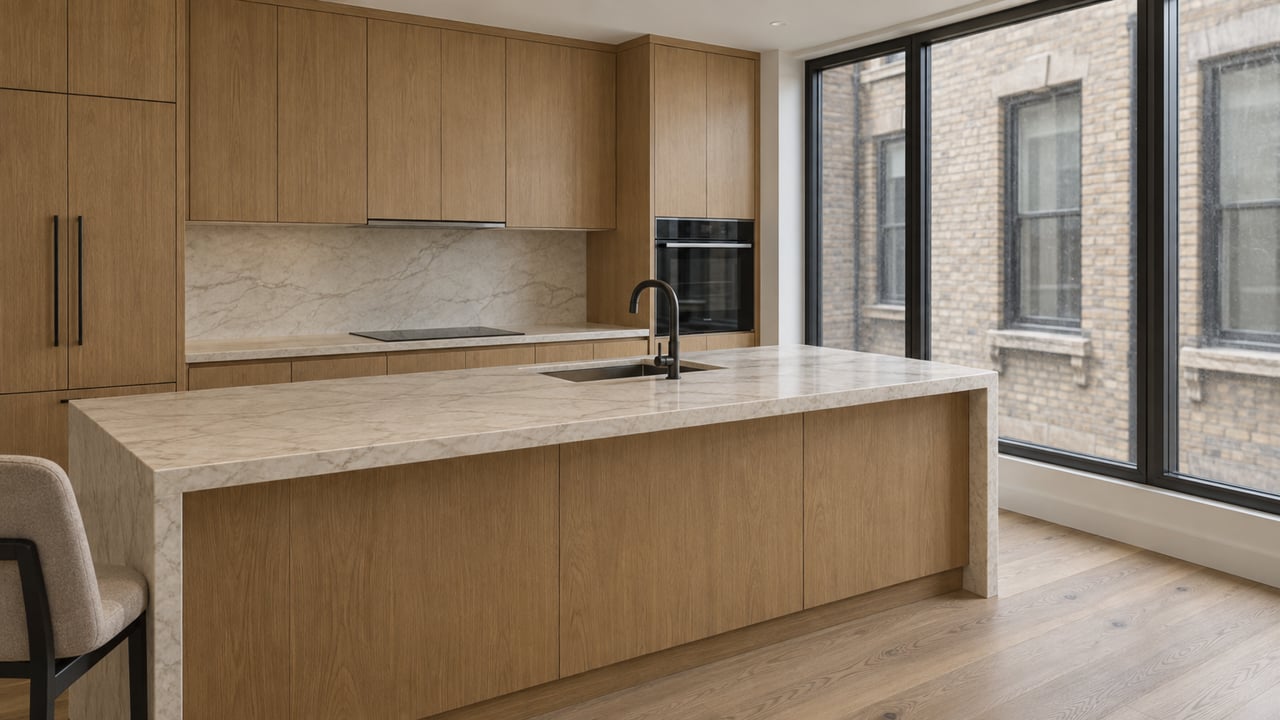
The same staging research found that the living room, primary bedroom, and kitchen are the most important spaces to stage. In a high-rise home, those priorities make sense.
The living area often frames the view and sets the tone for the whole residence. The kitchen and primary suite help buyers judge quality, comfort, and how move-in ready the home feels.
A clean, uncluttered interior usually performs best online. It lets key architectural details, natural light, and view corridors stand out.
Plan Around Building Rules and Showing Logistics
Luxury high-rise listings need a little more coordination than a typical home sale. Building rules can affect how and when your home is shown, what buyers need to know, and what materials should be shared before they get too far into the process.
Condo and co-op governing documents may address issues such as noise, pets, smoking or vaping, guest stays, and other use restrictions. Reviewing those rules before listing helps you avoid confusion and set the right expectations for buyers.
A Smoother Listing Timeline
In practice, the smoothest Gold Coast sale sequence looks like this:
- Confirm whether the home is a condo or co-op.
- Request the association or co-op packet early.
- Clarify the special assessment and reserve story.
- Price the property using building-level comps.
- Launch with strong visuals and a complete buyer-response file.
This sequence helps reduce delays, supports cleaner negotiations, and presents your home as a well-prepared listing from day one.
Why Preparation Pays Off in Gold Coast
Gold Coast remains one of Chicago’s most recognizable luxury neighborhoods, but that does not mean every listing sells itself. In a market with meaningful inventory and selective buyers, details matter.
The sellers who tend to stand out are the ones who prepare early, price carefully, explain the building story clearly, and launch with presentation that matches the product. When you treat your sale like a full strategy instead of a simple listing, you put yourself in a much stronger position.
If you are getting ready to sell a Gold Coast high-rise, Carol Collins can help you build the right pricing, preparation, staging, and marketing plan from the start.
FAQs
What is the difference between selling a condo and selling a co-op in Gold Coast?
- A condo sale typically involves deeded real property and a standard association review process, while a co-op sale often includes board review, buyer financial screening, references, and sometimes an interview.
What documents do sellers need for a Gold Coast high-rise resale?
- Sellers generally need the Illinois residential property disclosure plus building documents such as bylaws, rules, financial statements, reserve information, assessment details, insurance information, and any required compliance records for prior alterations.
How should you price a Gold Coast condo or co-op?
- The best approach is usually to price using recent sales in the same building or a very similar nearby building, with adjustments for view, floor height, layout, condition, parking, outdoor space, and monthly carrying costs.
Why do monthly assessments matter when selling a Gold Coast high-rise?
- Buyers often evaluate total monthly cost, not just purchase price, so they will want to know what assessments cover, whether special assessments exist, and whether major capital projects may affect future costs.
What rooms matter most when staging a Gold Coast high-rise?
- The living room, primary bedroom, and kitchen are especially important because they often shape first impressions, highlight views and finishes, and help buyers picture daily life in the home.