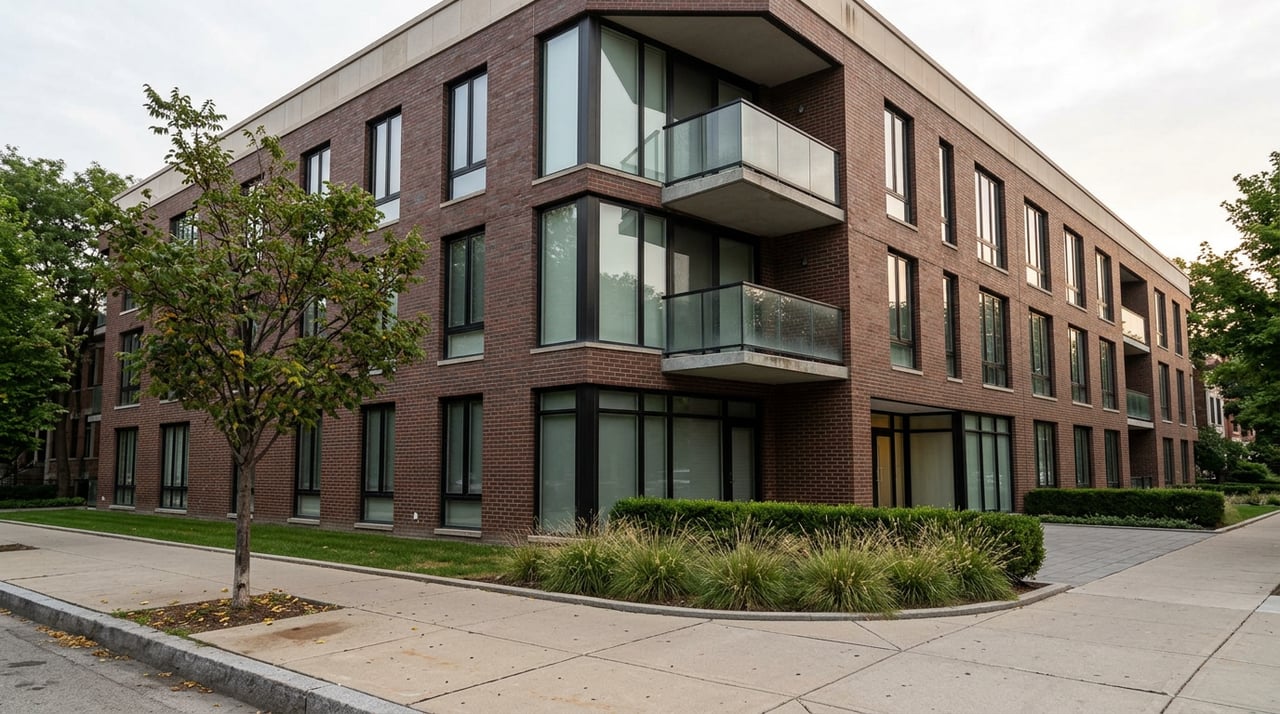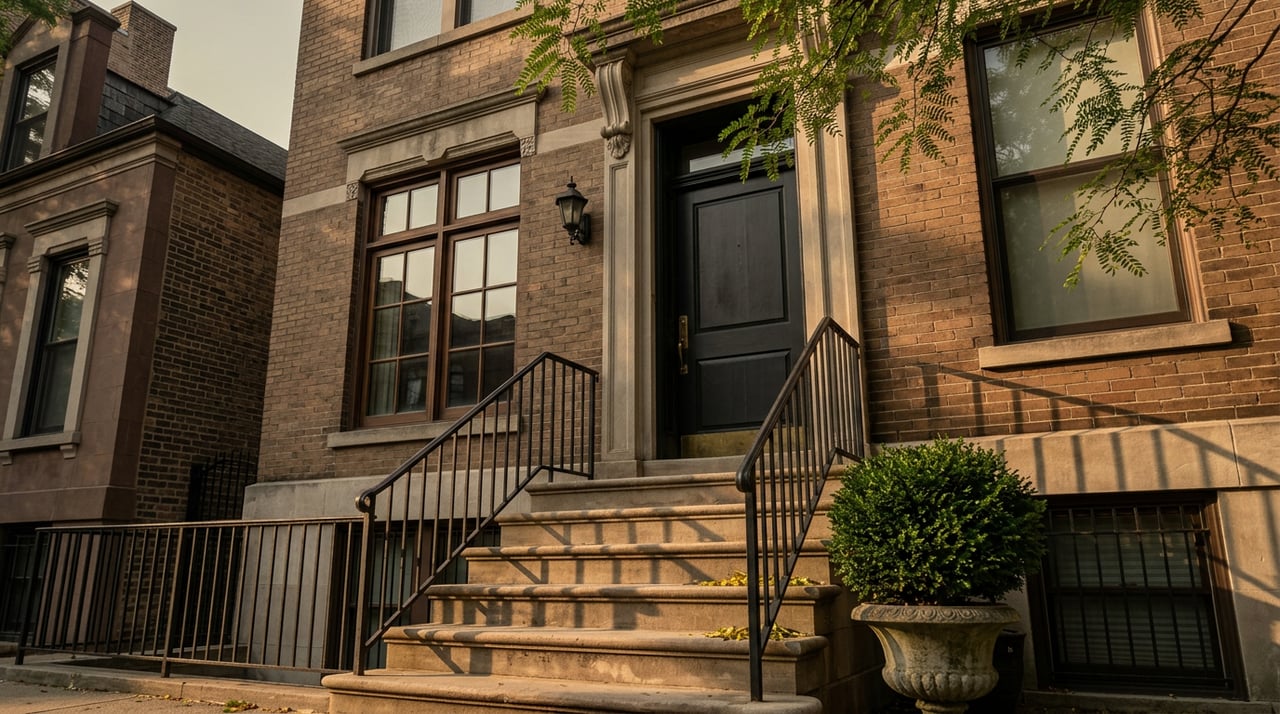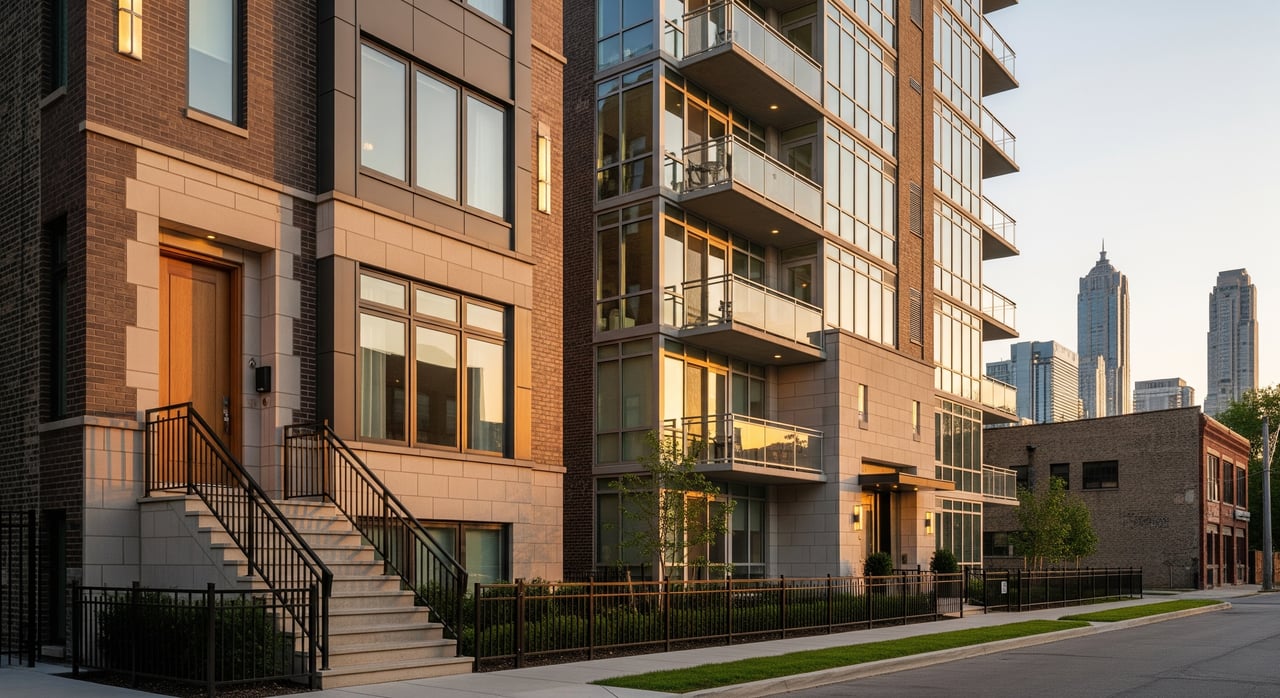
Are you torn between a sleek condo and a spacious townhome in the West Loop? You are not alone. This neighborhood offers both vertical high-rise living and private-entry rowhomes, each with distinct costs and lifestyle perks. In this guide, you will learn how ownership type, assessments, outdoor space, parking, financing, and resale differ so you can choose with confidence. Let’s dive in.
Ownership basics
Fee-simple vs condominium
- Fee-simple townhome: You own the land and the structure. An HOA may exist for shared elements, but you typically control and maintain your home’s exterior and systems.
- Townhouse held as a condominium: Your home is a condo unit within an association. You own the interior, with the association governing exteriors and common areas.
- High-rise or mid-rise condominium: You own a unit within a larger building that is governed by a condo association with bylaws, rules, budgets, and reserves under Illinois law.
Understanding which structure you are buying affects maintenance responsibility, insurance, taxes, and resale documents.
Cost of ownership
Purchase price patterns
West Loop homes command premium pricing due to location, walkability, and amenities. Townhomes often deliver more square footage and private outdoor space, which can push the total price higher. Condos can carry a high price per finished square foot, especially in buildings with views and full-service amenities. Compare recent sales by micro-area to understand how Fulton Market, Randolph, or the south West Loop differ.
HOA assessments and services
Condo assessments typically cover building insurance, common-area maintenance, snow removal, landscaping, management, reserves, and often heat or water. Townhome HOAs may be lower because owners handle more of their own maintenance, though fees still apply for shared elements. Review reserve balances and capital plans. A lower monthly assessment is not always better if reserves are thin and special assessments are likely.
Utilities and monthly bills
In high-rise condos, assessments may include some utilities like heat and water, which can simplify budgeting. In townhomes, you usually pay utilities directly and control your usage, but monthly operating costs may vary with weather and home size. Ask for average monthly utility figures when you compare properties.
Property taxes in Cook County
Both townhomes and condos pay property tax based on assessed value. Fee-simple townhomes include the land value on the parcel, while a condo unit’s assessment reflects its proportional share in the building. Check the current assessment for the exact parcel or unit you are considering and account for any abatements on newer construction.
Insurance and maintenance
Condo owners typically carry an HO-6 policy for interior finishes, personal property, and liability, while the association’s master policy insures the building’s exterior and common areas. Fee-simple townhome owners carry a standard homeowner policy that insures the structure and contents and are usually responsible for roof, facade, and exterior systems unless the HOA states otherwise. Insurance costs vary by building age, claims history, and coverage limits, so compare quotes for addresses you are considering.
Space, privacy, and outdoor living
Outdoor space
Townhomes often include private outdoor areas like patios, roof decks, or small yards. This can be a major draw if you value open-air space for relaxing or hosting. Condos may provide a balcony or access to shared amenities like rooftop terraces and courtyards. Always confirm whether the outdoor area is private, limited common, or shared, and if there are usage restrictions.
Privacy and noise
Townhomes offer private entries and fewer shared corridors, which can feel more private and quiet. You still share party walls with neighbors, though soundproofing varies by construction. High-rise condos have unit-to-unit neighbors above and below, along with hallway and elevator traffic. Ask about sound mitigation, window glazing, and mechanical systems near the unit.
Layout and accessibility
Townhomes often span multiple levels with stairs between living areas and bedrooms. This creates separation of space but can be less convenient for anyone with mobility concerns. High-rise condos typically offer elevator access and single-level living, which can be helpful for aging in place or for those who prefer step-free entry.
Parking and mobility
Parking is a premium in the West Loop. Townhomes are more likely to include a private garage or attached parking, though it is not guaranteed. Condos usually offer garage parking for purchase or for an additional monthly fee, and availability can be limited. Verify costs, waitlists, and whether parking is deeded or leased, plus the transfer rules for resale. Street parking is competitive, so factor that into your daily routine.
Amenities and services
High-rise condos often feature doorman service, package rooms, fitness centers, lounges, pools, and rooftop spaces. These conveniences add value but also increase monthly assessments. Townhome communities typically have fewer shared amenities, which keeps costs lean and puts the focus on private outdoor space and nearby parks, gyms, and memberships that fit your lifestyle.
Financing and association health
Condo vs townhome financing
Lenders underwrite condominiums with extra scrutiny. Items like owner-occupancy ratios, reserve funding, the percentage of rental units, and any active litigation can affect eligibility. Fee-simple townhomes are generally underwritten like single-family homes, which can be more straightforward if the title is clean.
Documents to review
For condos and townhomes held in condo form, review the declaration and bylaws, rules, current budget, reserve study if available, meeting minutes, and any pending litigation. Confirm what utilities are included in the assessment and whether major projects are planned. For fee-simple townhomes, request HOA documents if shared elements exist and verify the split of maintenance costs.
Special assessments and reserves
Reserves matter. Low reserves can lead to special assessments, especially in older buildings that require roof, facade, window, or mechanical work. Ask for the association’s capital plan and recent assessment history so you can stress test your budget.
Resale considerations
Buyer pools and liquidity
Condos appeal to buyers seeking amenity-rich, lock-and-leave living and can draw investors, which may support liquidity in larger, well-managed buildings. Townhomes attract buyers who value private entrances, outdoor space, and more control over maintenance. In a supply-constrained area like the West Loop, well-located townhomes with outdoor space can move quickly, while large buildings may offer steady turnover and comparable data.
Renovation flexibility
Townhome owners often have more freedom to change exteriors and major systems if they own the structure, subject to local permits and any HOA rules. Condo owners usually need association approval for renovations that affect structure or building systems. If you plan value-add improvements, factor in approval timelines and building policies.
Market sensitivity
Newer luxury high-rises can be more sensitive to broader market cycles and amenity expectations. Townhomes may track single-family dynamics more closely. In either case, turnkey, updated properties tend to sell faster and reduce days on market.
Decision framework
Ask yourself:
- Do you want full-service amenities and simplified maintenance? A condo may fit.
- Do you prefer private entries, outdoor space, and more control? A townhome may fit.
- How important is elevator access versus stairs day to day?
- Is dedicated, attached parking a must-have, or are you comfortable with garage fees or street parking?
- Do you want predictable assessments, or would you rather manage your own maintenance costs directly?
Due diligence checklist
Financials and fees
- Compare recent sales and price per square foot in your target micro-area.
- Confirm current monthly assessment, what it includes, and typical utility averages.
- Review reserve balances, capital plans, and the history of special assessments.
- Verify parking costs, ownership vs rental, and transferability.
Physical and lifestyle fit
- Test noise levels at different times of day and ask about sound mitigation.
- Confirm outdoor space type and any restrictions on use or grilling.
- Evaluate light, views, elevator access, and stair count for daily living.
Legal and lending
- Verify ownership type: fee-simple or condominium.
- For condos, confirm lender eligibility, owner-occupancy levels, reserves, and any active litigation.
- Ask about insurance claims that could affect premiums or coverage options.
Next steps
Choosing between a townhome and a condo in the West Loop comes down to how you want to live and what you want to spend monthly. If you need a clear comparison of real listings, assessments, reserves, and likely resale paths, you deserve a tailored plan. Tap into off-market options, renovation insight, and a concierge process that keeps decisions simple and strategic. Connect with Carol Collins to walk through handpicked West Loop properties and book an appointment.
FAQs
What is the main difference between a fee-simple townhome and a townhouse condo?
- A fee-simple townhome includes ownership of the land and structure with direct maintenance responsibility, while a townhouse condo is a condominium unit governed by an association that controls exteriors and common areas.
How do condo assessments in West Loop buildings typically work?
- Assessments usually fund building insurance, maintenance, management, reserves, snow removal, landscaping, and often utilities like heat or water, with amounts varying by amenities and building size.
Are townhomes always cheaper to own than condos in the West Loop?
- Not necessarily; townhomes may have lower HOAs but higher direct costs for utilities and exterior upkeep, while condos bundle some costs in assessments that can be higher in amenity-rich buildings.
What should I review in a condo association before buying?
- Review bylaws, rules, current budget, reserve study if available, meeting minutes, and any litigation, plus a history of special assessments and upcoming capital projects.
How does parking typically differ between West Loop townhomes and condos?
- Townhomes are more likely to include attached or private garage parking, while condos often offer deeded or leased garage spaces for a separate cost with possible waitlists or transfer rules.