Thinking about making Chicago’s Gold Coast your home? You are not alone. This Near North lakefront enclave blends historic architecture, luxury high-rises, and everyday convenience in a way few city neighborhoods can match. In this guide, you will see what day-to-day life feels like, how buildings differ, what to expect for commuting and costs, and how to evaluate a purchase with confidence. Let’s dive in.
Gold Coast at a glance
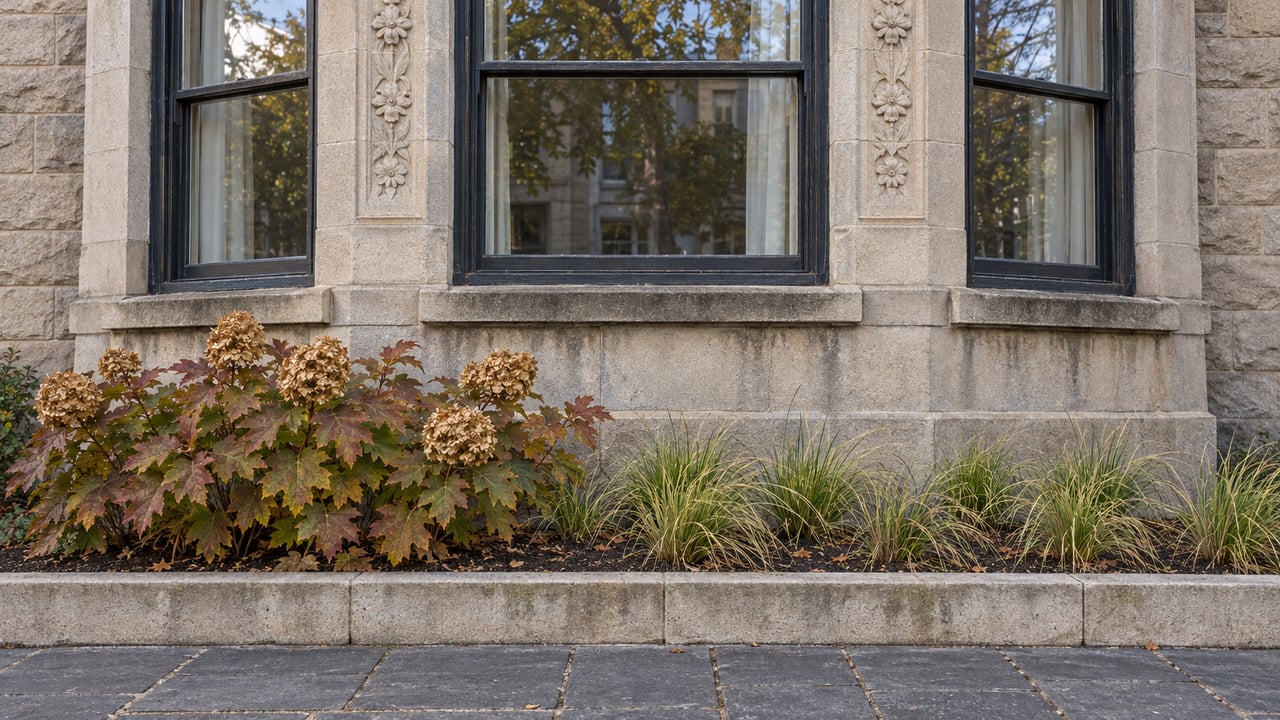
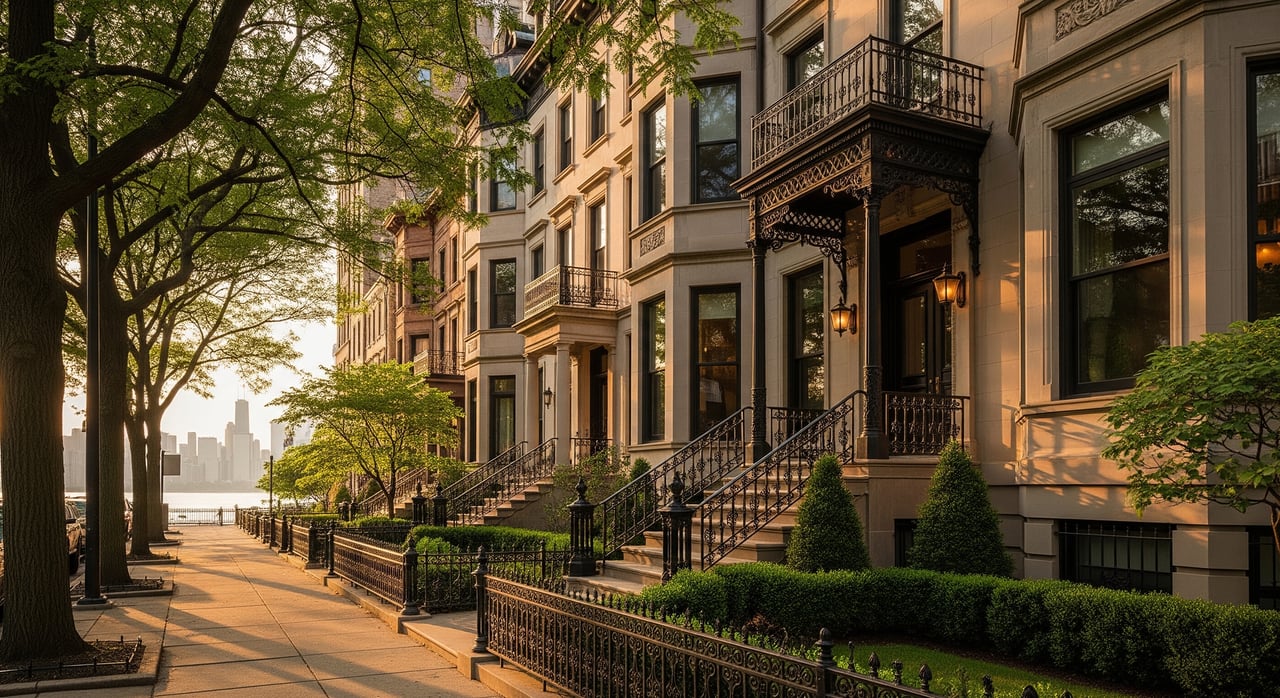
You sit along the Lake Michigan shoreline between the Magnificent Mile to the south and Lincoln Park to the north, with Old Town and Streeterville nearby. The area is known for tree-lined streets, early 20th-century residences, and a recognized historic district. You find grand mansions next to boutique walk-up buildings and full-service towers. It is generally viewed as one of the city’s most desirable and higher-cost neighborhoods with a strong lakefront orientation.
Walkability and daily errands
The Gold Coast is highly walkable. You can reach grocery stores, pharmacies, cafés, and services within a few blocks in many directions. Sidewalks stay active throughout the week, and daily errands rarely require a car. If you enjoy a quick coffee run or impromptu dinner out, you will have plenty of options close by.
Lakefront, parks, and outdoors
If outdoor time matters to you, the lakefront is a standout. The Lakefront Trail is easy to access for running, cycling, and long walks. Oak Street Beach and other nearby beaches are a short stroll, which is a lifestyle perk in warmer months. While the neighborhood is dense with limited large interior parks, you are close to the broader green spaces and recreation of Lincoln Park.
Dining, nightlife, shopping
You can eat casual, upscale, and everything between without leaving the neighborhood. Rush Street and nearby corridors offer a concentration of restaurants and steakhouses, and Oak Street boutiques plus the Magnificent Mile bring luxury retail within walking distance. Nightlife can be lively near these hubs, while residential blocks set back from them tend to be quieter. If you value both energy and retreat, you can choose your block to match your preference.
Housing types and styles
You will find three common choices:
- Historic mansions and townhomes. Late 19th and early 20th-century residences line many streets. Some remain single-family, while others have been converted to multi-unit properties.
- Boutique low- to mid-rise buildings. These prewar or newer boutique condos and apartment buildings offer fewer units, fewer amenities, and more of a classic neighborhood feel.
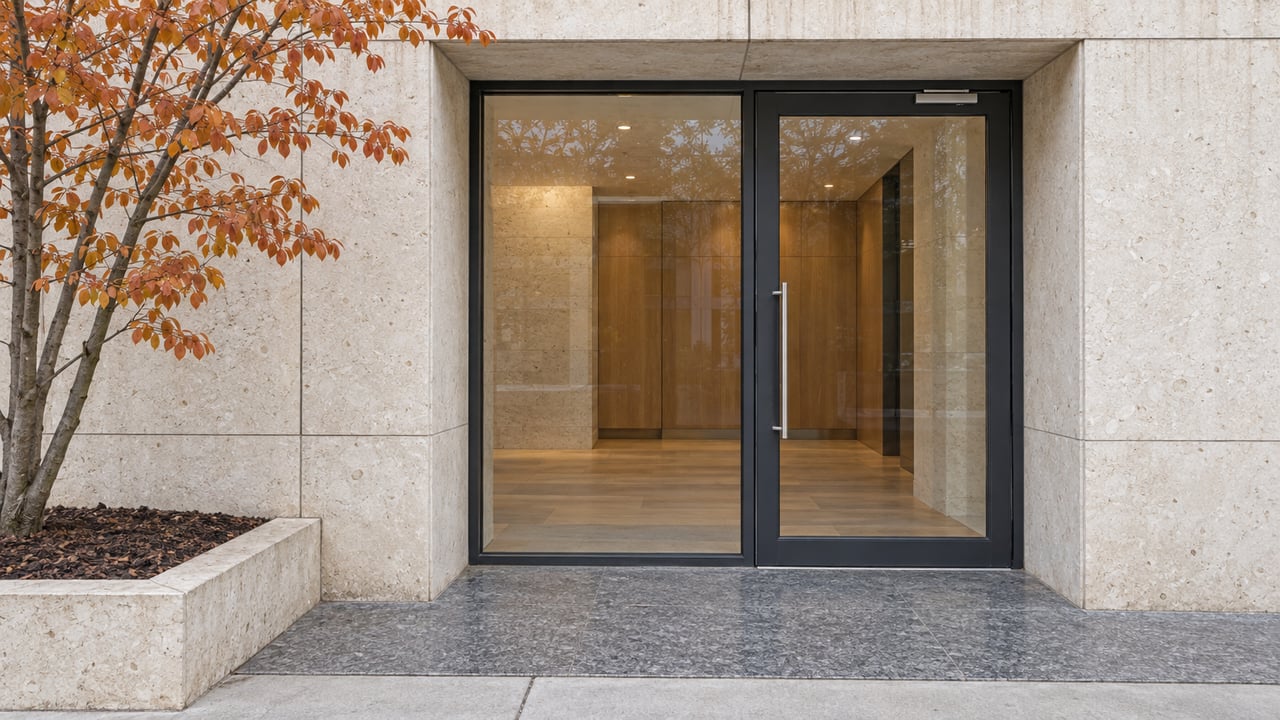
- Luxury high-rises. Full-service towers with doormen, fitness centers, pools, parking garages, and concierge services are common, especially near the lake and primary corridors.
Ownership and costs
Ownership forms vary by building. You can purchase a condominium, buy into a cooperative, own a single-family or townhome, or rent. Co-ops are more common in older properties and may include stricter board approval processes. Monthly costs vary widely, so plan for your mortgage, property taxes, and HOA or co-op fees, plus utilities.
High-rises typically have higher monthly fees because they support amenities, staff, and sometimes utilities. Boutique buildings usually carry lower assessments but offer fewer shared services. Property taxes reflect higher market values in this area. If you are considering an older building, ask about any pending or recent special assessments.
Building tradeoffs to consider
Boutique buildings
- Pros: Smaller resident communities, often lower monthly fees, historic character, quieter halls.
- Cons: Fewer amenities, limited staff and security, less predictable reserves, limited or no on-site parking.
High-rises
- Pros: Doorman and concierge, gyms and pools, package rooms, garage parking in many cases, lively shared spaces.
- Cons: Higher HOA fees, less intimate community, potential for large capital projects that can trigger special assessments.
Unit orientation matters, too. Lake or skyline views often command a premium and draw more light. Interior-facing units can be quieter and less expensive.
Practical living details
Parking can be tight on the street. Many residents buy or rent garage spaces within their buildings or nearby garages, so confirm availability and pricing early in your search. Pet policies vary by building. Many luxury properties are pet-friendly, but you should verify breed or size rules, deposits, and any pet amenities.
If you plan to renovate, check whether the property sits within a landmark or historic district. Exterior changes may require approvals, and even interior work in some buildings can need permits and board sign-off. For moves or larger projects, ask about building rules for contractor access, elevator reservations, and bulk trash pickup.
Transit and commuting
Living here makes multi-modal commuting easy. The neighborhood is served by multiple CTA bus routes, with Red Line and other north-side ‘L’ stations within a short distance. Many residents walk or bike for daily needs and use ride-hailing or taxis for nights out. If you drive, Lake Shore Drive provides quick north-south access, though peak traffic can be busy on major arteries.
Biking works well for both recreation and commuting. The Lakefront Trail is close by, and select streets include bike lanes. Building bike storage policies vary, so confirm where you will store your gear.
Market positioning and price expectations
The Gold Coast sits in Chicago’s higher-priced tier because of location, historic architecture, and proximity to the lake and luxury retail. Entry-level units here are typically above citywide medians, while larger condos, townhomes, and penthouses can command significant premiums. Demand tends to be steady for near-lake properties. Resale value is tied to location within the neighborhood, views, building condition, and the financial health of the association.
Who the Gold Coast fits
You may love the Gold Coast if you want a walkable, lake-forward lifestyle with dining and shopping at your doorstep. If amenities like a staffed lobby, on-site fitness, and garage parking matter, the area offers many high-rise options. If you prefer historic character and a quieter building, boutique properties and vintage townhomes are common. Relocators often appreciate the proximity to downtown offices, hospitals, and cultural venues.
Smart buyer questions to ask
Before you make an offer, line up these answers:
- Monthly costs: What are the totals for mortgage, taxes, HOA or co-op fees, and utilities? For co-ops, understand the maintenance payment and any tax treatment.
- Parking: Is a deeded space included, is there a waitlist, and what are nearby rental options?
- Noise and block character: How close is the unit to nightlife corridors like Rush Street or other commercial stretches? Visit at different times of day.
- Building rules: What are the policies for pets, subletting, and short-term rentals? Are there restrictions for renovations or move-in logistics?
- Financial health: Review budgets, reserve studies, board minutes, special assessment history, and planned capital projects.
- Schools: Confirm public school assignments by exact address and consider proximity to private or selective options if that is a priority.
Due-diligence checklist
Use this quick list when evaluating a specific property:
- Confirm the location and micro-boundaries relevant to the listing and your daily routine.
- Review HOA or co-op documents, including bylaws, meeting minutes, reserve study, and capital improvement plans.
- Check for recent or pending special assessments and the age of building systems.
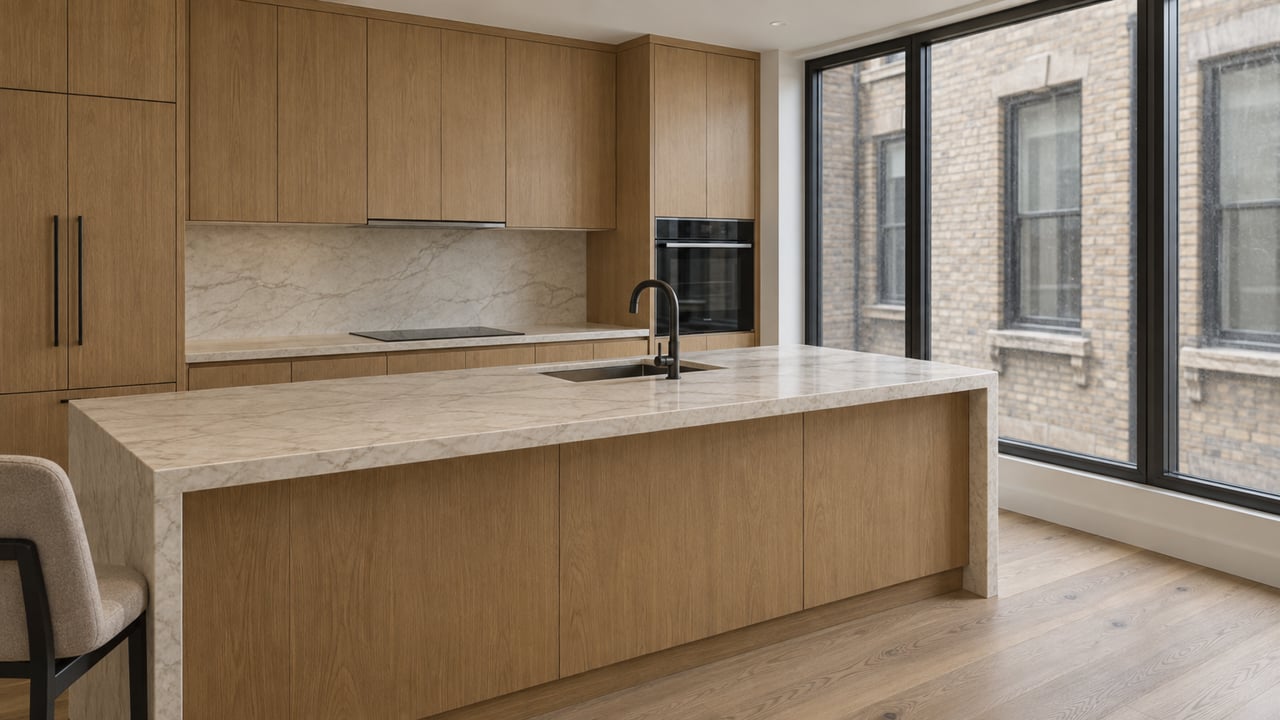
- Verify unit-level updates and permits for past renovations, plus HVAC, plumbing, windows, and energy-efficiency details.
- Understand parking and storage inclusions and any waitlists.
- Test your commute. Walk or ride to your go-to grocery, gym, office, and transit stops.
- Ask about package handling, delivery procedures, bulk trash rules, and renovation access policies.
How to get an edge in this market
A curated search helps you focus on the right buildings and line up off-market or coming-soon opportunities. If you value full-service living, target buildings with strong reserves and transparent communication. If you prefer boutique charm, expect more case-by-case due diligence on reserves and maintenance history. In both cases, confirm pet policies, parking, and noise levels early so you do not fall in love with a home that will not fit your lifestyle.
Ready to explore the Gold Coast?
If you are considering a move, you deserve a tailored plan that fits how you live. From boutique classics to amenity-rich towers, you can refine quickly once you pinpoint your preferred building style, monthly budget, and daily routine. For a guided search, private listings, and clear advice on renovations and value, connect with Carol Collins. Book an appointment and step into your Gold Coast search with confidence.
FAQs
What is the Gold Coast known for in Chicago?
- It is known for historic architecture, luxury high-rises, lakefront access, and proximity to upscale dining and shopping.
Is the Gold Coast walkable for daily errands?
- Yes, many residents can walk to grocery stores, pharmacies, cafés, restaurants, and services within a few blocks.
How difficult is parking in the Gold Coast?
- Street parking is limited, so most residents buy or rent garage spaces in their buildings or nearby garages.
What should I expect for HOA or co-op fees?
- High-rises usually have higher fees to support amenities and staff, while boutique buildings often have lower fees and fewer shared services.
How convenient is public transit from the Gold Coast?
- Multiple CTA bus routes and nearby Red Line stations provide rapid access to the Loop and other neighborhoods, with ride-hailing widely used.
Are pets allowed in Gold Coast buildings?
- Many buildings are pet-friendly, but policies vary, so check breed or size rules, deposits, and any pet amenities.
Are there renovation or historic restrictions I should know?
- Properties in landmark or historic districts may face limits on exterior changes, and building rules can affect renovation logistics and approvals.