Torn between Wicker Park and Bucktown? You are not alone. These neighboring Chicago hot spots share a border and a Blue Line, yet the day-to-day feel can be very different. In this guide, you will learn how the two compare on housing styles and pricing, restaurants and nightlife, parks and The 606, transit, and practical noise tradeoffs so you can choose the vibe that fits you. Let’s dive in.
Quick take: vibe at a glance
- Wicker Park: Lively, compact commercial core centered on Milwaukee, Damen and North, plus Division Street. Expect a strong dining and nightlife scene, boutique shopping, and a signature neighborhood park a short walk from the Damen Blue Line. The area blends historic buildings with modern condos and lofts. Learn more about Wicker Park’s history and architecture and the neighborhood’s landmark character on the Chicago Architecture Center’s Wicker Park tour page.
- Bucktown: Directly north, with residential side streets, pocket parks, and design shops. Activity is more spread out, with calm blocks away from the main corridors. Holstein Park and access to The 606 are key anchors. For regional context, Bucktown is often grouped with the Logan Square area in city maps, which helps explain its proximity and shared transit links (Logan Square overview).
Neighborhood borders are approximate, and many listings treat the area as one cultural corridor. Think of it this way: core commercial corridor versus quieter residential side streets.
Orientation and anchors
- Commercial spine: Milwaukee Avenue is your north-south thread, with the busiest cluster at Milwaukee/Damen/North and along Division Street.
- Transit nodes: The Damen Blue Line station sits in the heart of Wicker Park. Western is also commonly used by residents in both areas. The Blue Line reaches the Loop in roughly 12 to 15 minutes, depending on time of day (CTA Damen Station details).
- Green spaces: Wicker Park’s namesake 4-acre park, Bucktown’s Holstein Park, and the elevated Bloomingdale Trail, also known as The 606, link both neighborhoods.
- Approximate borders: Wicker Park typically sits south of The 606 and west of the Kennedy Expressway. Bucktown is just north, between roughly the Bloomingdale Trail/Division and Armitage/Fullerton.
Housing styles and what you will find
Wicker Park homes
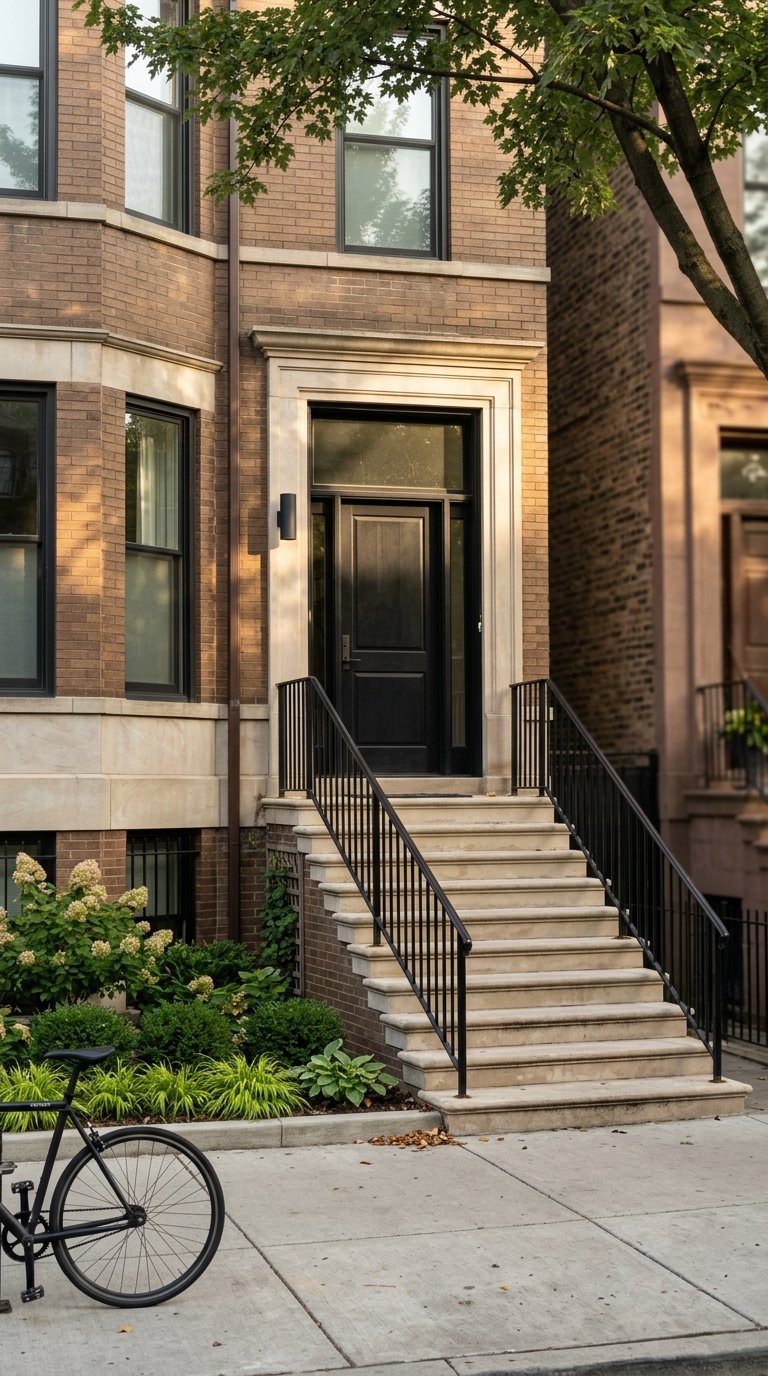
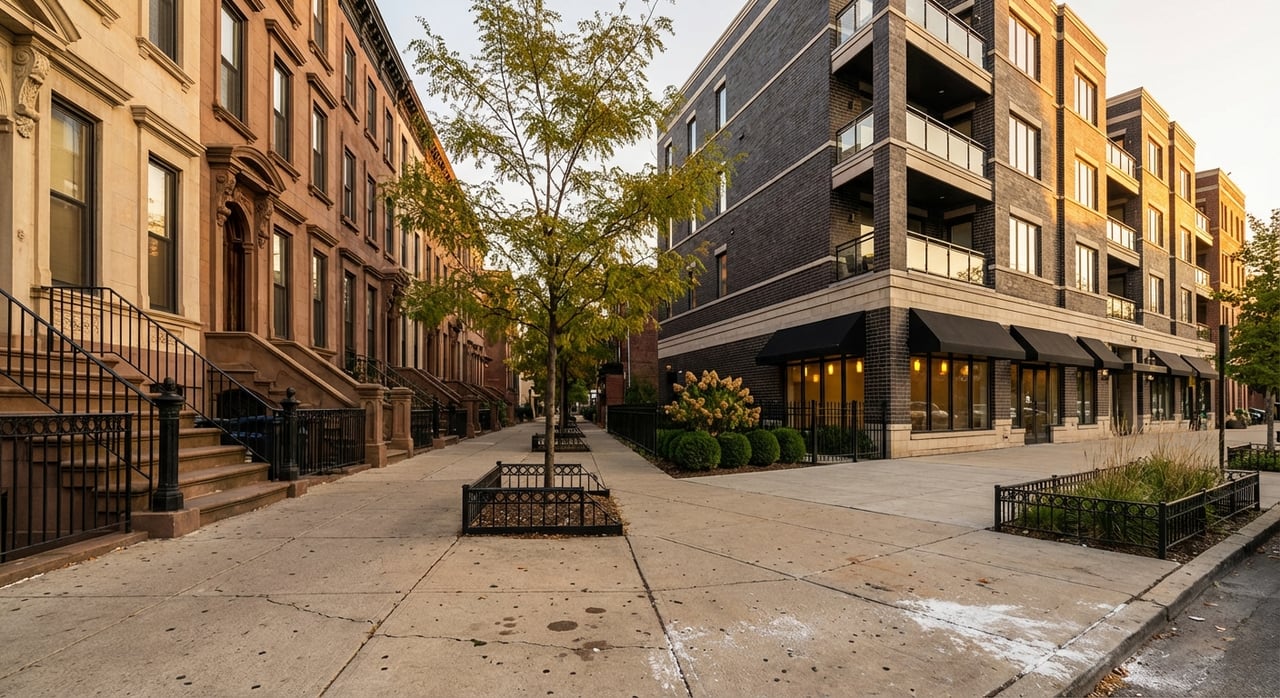
You will see a layered streetscape: historic Victorian, Italianate, and greystone façades mixed with brick two- and three-flats, former industrial spaces turned lofts, and newer mid-rise condos near Milwaukee and the CTA stops. Several blocks feature designated historic architecture and preserved commercial fronts, which adds to the neighborhood’s distinct look and feel. For a deeper architectural snapshot, explore the Chicago Architecture Center’s Wicker Park overview.
Bucktown homes
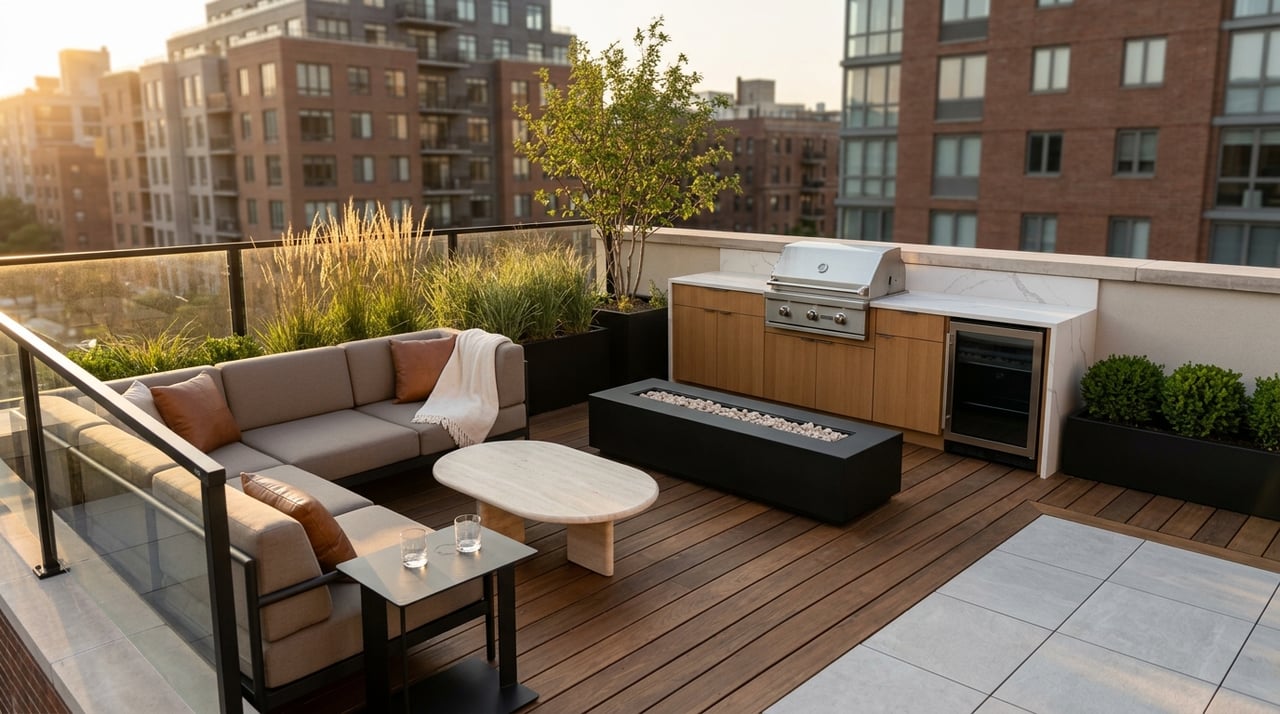
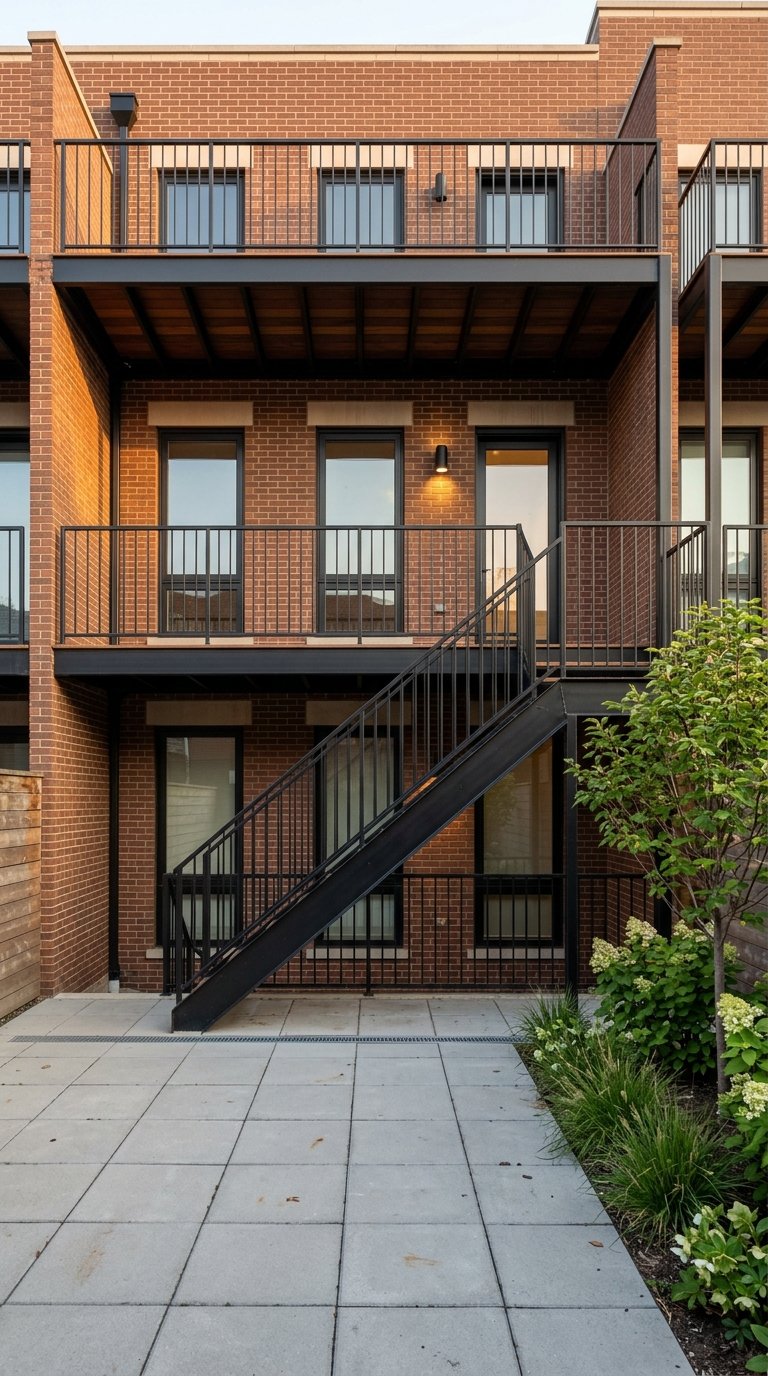
On Bucktown’s side streets, you will find similar vintage stock such as workers’ cottages, greystones, and two-flats, plus a higher share of single-family homes and design-forward new construction. New-build townhomes and architect-designed infill appear more frequently as you move away from Milwaukee Avenue. The result is a neighborhood that reads a bit more residential on many interior blocks.
Price and rent context
Recent snapshots from major listing portals show differing medians by source and date. As a general frame of reference:
- Sale prices: Some January 2026 neighborhood reports show Wicker Park around ~$799,000 and Bucktown around ~$725,000. December 2025 snapshots also report medians in a similar range, with variations by provider. Values shift quickly and vary block by block.
- Rents: Late 2025 summaries showed median asking rents around ~$2,900 per month in Wicker Park and ~$2,500 per month in Bucktown. Actual rents vary by building age, floor, and proximity to the core.
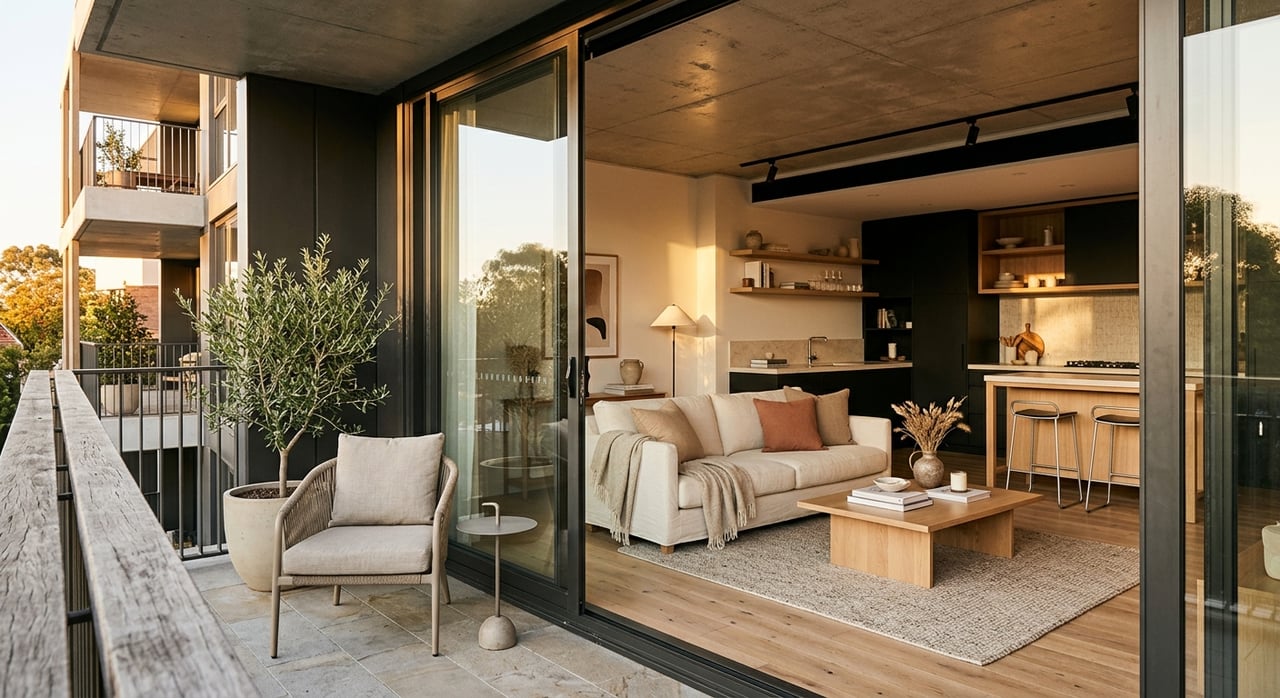
What this means for you: expect higher condo and loft density near the Damen hub and along Milwaukee, often at a premium. Quieter Bucktown side streets tend to skew toward single-family and townhouse options, which can price differently based on lot size and finishes. For the most accurate picture, review current MLS data and nearby recent sales.
Inventory in both neighborhoods has been tight, especially for well-located homes. That can push buyers to consider adjacent side streets or weigh condo vs. single-family tradeoffs. Local reporting has also highlighted a condo build-out trend along the Blue Line corridor that influenced pricing patterns.
Dining, nightlife and culture
Wicker Park: buzz and choice
If you love having restaurants, patios, and cocktail bars at your doorstep, zero in on the blocks around the Damen Blue Line and along Division. The neighborhood routinely earns praise as a dining and coffee hotspot. For a curated look at standout spots, browse Eater Chicago’s guide to Wicker Park restaurants and bars.
Wicker Park Fest brings big energy to Milwaukee Avenue in summer, with crowds and live music. It is part of the neighborhood’s cultural draw and a reminder that festival days can be lively. For a sense of the event’s scale and history, see Block Club’s coverage of past editions of Wicker Park Fest.
Bucktown: pockets of calm, local favorites
Bucktown has excellent dining and boutiques, but activity is more distributed. You will find quieter side streets in the evenings, with core amenities like Holstein Park and access points to The 606 for daily walks and biking. The neighborhood also hosts arts events such as the Bucktown Arts Fest. If you want to be near the action without living above it, Bucktown’s interior blocks are a smart focus.
Parks, The 606 and the outdoors
- The Bloomingdale Trail / The 606: This elevated linear park runs east-west and is beloved for walking, running, biking, and public art. Access points near Bucktown and northern Wicker Park make it a daily-use amenity for many residents. Get the trail overview from the Chicago Park District’s Bloomingdale Trail page.
- Wicker Park (the park): A compact, well-used green with play space, seasonal events, and a farmers market vibe. For neighborhood context, visit Choose Chicago’s Wicker Park page.
- Holstein Park in Bucktown: A community hub with a pool, playground, fieldhouse, and open fields. It is a go-to for everyday recreation and programmed activities. See details on the Chicago Park District’s Holstein Park page.
If easy access to outdoor space matters to you, weigh proximity to The 606 ramps and to either Wicker Park or Holstein Park when comparing addresses.
Transit, walkability and daily logistics
- Blue Line access: Damen and Western are the most commonly used stations for residents. From either, the Blue Line typically reaches the Loop in about 12 to 15 minutes during normal service patterns. Check schedules and station information on the CTA’s Damen Station page.
- Walkability and bikes: Both neighborhoods are highly walkable, with dense amenities and easy bike access. Many residents choose to go car-light because of this convenience.
- Parking and permits: Street parking rules vary by block. If you plan to keep a car, verify local permit requirements and restrictions for your specific address before you sign.
Noise and lifestyle tradeoffs
Here is a simple rule of thumb: the closer your unit is to Milwaukee/Damen/Division and festival routes, the busier it feels at night. That can be a plus if you love a short walk to dinner or late-night spots. It can be a drawback if you are sensitive to street noise. Bucktown’s interior residential streets are generally calmer after hours.
Practical tips when touring:
- Visit at different times of day, including a weekend evening.
- Ask about window type, insulation, and whether bedrooms face the street or an interior courtyard.
- Consider higher floors or interior-facing units if you want less street noise.
- If you work remotely, check daytime delivery and construction noise as well.
Which vibe fits you?
Use this quick checklist to focus your search:
- Nightlife-first living: Start near Wicker Park’s Milwaukee/Damen/North core and along Division Street. Expect more condo and loft options and a vibrant street scene.
- Quieter residential streets: Focus on Bucktown’s interior blocks, especially near Holstein Park or The 606 access points. Expect more single-family and townhouse options alongside condos.
- Unit features that cut noise: Seek double-pane windows, solid-core doors, and bedrooms set back from the street. Higher floors often help.
- Commute tests: Time your door-to-train and train-to-Loop ride during both rush and off-peak hours.
- Seasonal shifts: Summer festivals and patio season can amplify crowds and sound. Check event calendars if you prefer calmer weekends.
Price and rent examples to expect
Think in ranges rather than absolutes. Recent third-party snapshots showed Wicker Park and Bucktown medians in the mid-700s to high-700s for closed sales, with variance by source and date. Rents commonly span from entry-level one-bedrooms up through larger two- and three-bedroom condos or townhomes, with premiums for updated finishes, parking, private outdoor space, or proximity to the Damen hub and The 606.
On a block-by-block basis, values shift with building age, design, and exact location. The most current picture will come from an on-the-ground review of recent comparables and active inventory.
How a strategic search gives you an edge
Choosing between Wicker Park and Bucktown is often about balancing your lifestyle with smart value. A tailored plan can help you win the right home without overpaying:
- Curated inventory, on and off market: Early access to private and coming-soon options can unlock the best blocks before crowds discover them.
- Design and renovation savvy: A dated interior on a great street can be an opportunity. With focused updates and strong merchandising at resale, you can create long-term upside.
- End-to-end guidance: From block-level noise checks to contractor coordination and staging advice, having a single, responsive point of contact keeps your move efficient and low stress.
Ready to see how these neighborhoods live in real life? Connect with Carol Collins to map your must-haves, tour the right blocks, and access curated on and off-market options.
FAQs
What is the main difference between Wicker Park and Bucktown?
- Wicker Park centers on a lively commercial core around Milwaukee/Damen/Division with dense dining and nightlife, while Bucktown’s activity is more dispersed with quieter residential side streets and strong access to Holstein Park and The 606.
How long is the Blue Line commute from Wicker Park or Bucktown to the Loop?
- From Damen or Western, typical travel times are about 12 to 15 minutes under normal service patterns; your door-to-train time depends on your exact block.
How does The 606 affect daily life and value in these neighborhoods?
- The 606 adds easy walking and biking, public art, and quick access across neighborhoods; proximity can boost lifestyle appeal and is a selling point for many buyers and renters.
Where should I look for single-family homes near Wicker Park and Bucktown?
- You will find a higher share of single-family homes on Bucktown’s residential side streets, along with townhomes and design-forward infill; Wicker Park offers a mix of historic homes and condos closer to the core.
How can I reduce street noise if I live near Milwaukee/Damen/Division?
- Choose higher floors or interior-facing layouts, look for double-pane windows and solid construction, and tour at night to test sound before you commit.