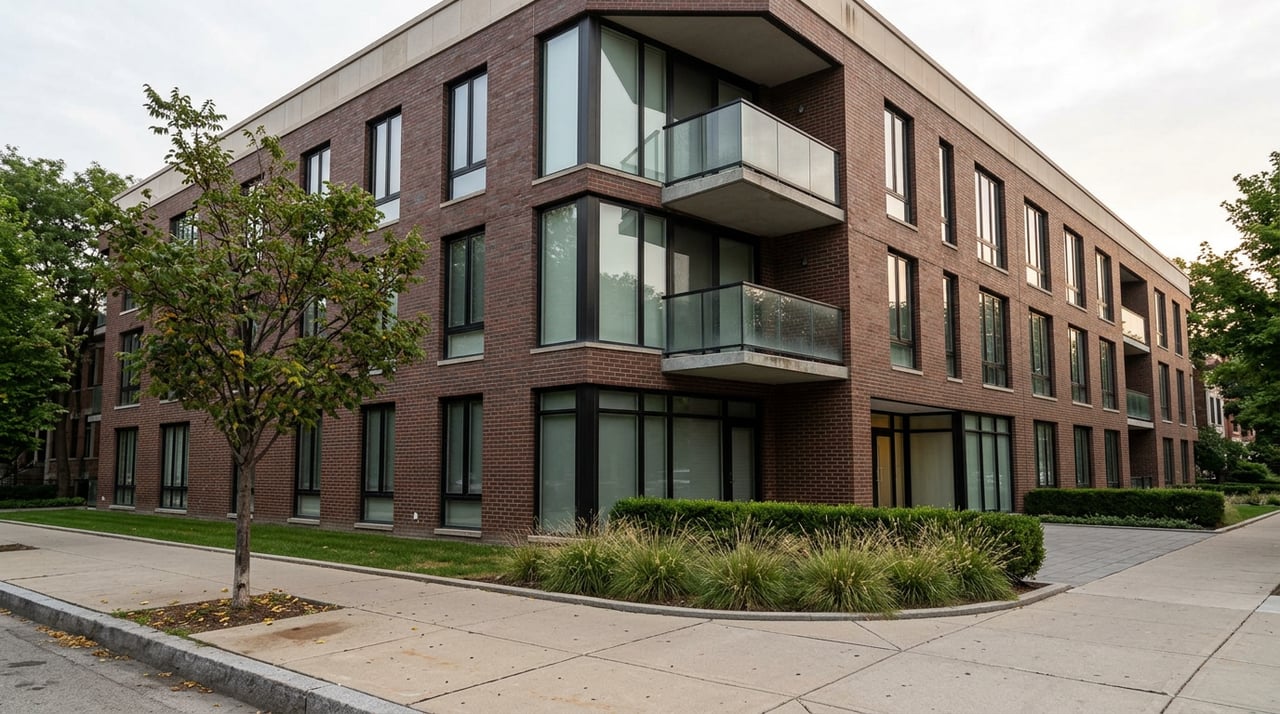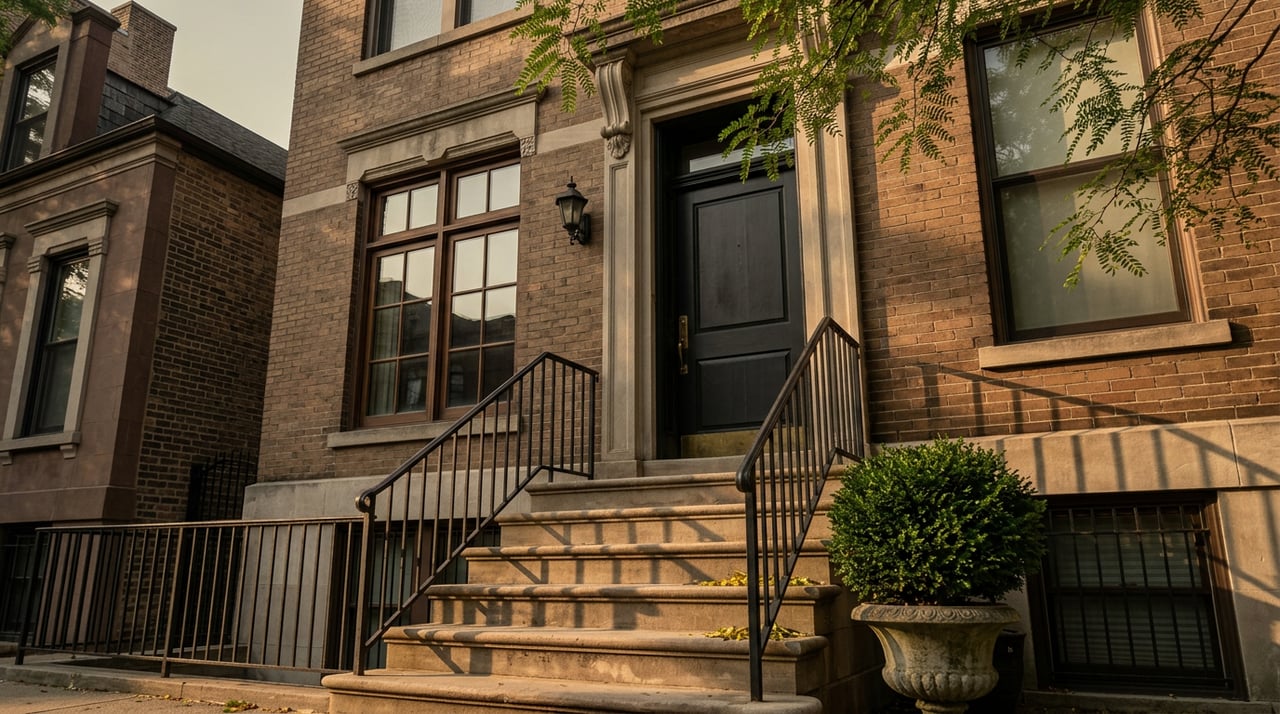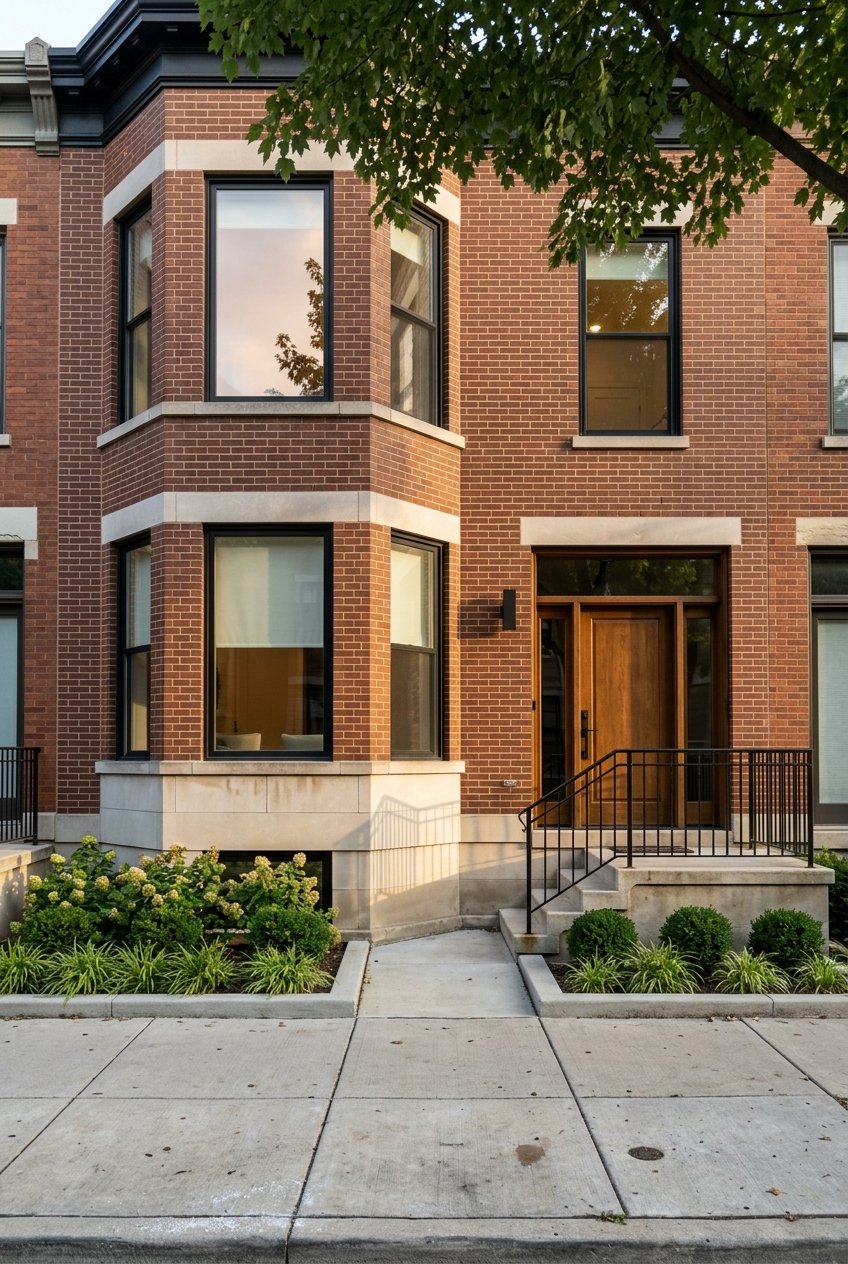
Thinking about buying your first small multifamily in Chicago? East Village is one of the places where that idea can make real sense, but only if you understand what you are buying. In this neighborhood, 2-flats, 3-flats, and 4-flats can offer a smart entry point for house-hackers and first-time investors, yet the numbers, building condition, and city rules all matter. Here’s how East Village 2 to 4 flats work, what buyers are paying, where the upside comes from, and what to watch before you make an offer. Let’s dive in.
Why East Village Fits Starter Investors
East Village has long been a neighborhood of small residential buildings. The City of Chicago’s East Village District landmark designation highlights the area’s 19th-century working-class housing, including cottages and small flat buildings on streets like Winchester, Wolcott, Honore, and Hermitage between Chicago and Division.
That history matters because the neighborhood’s investor inventory is often exactly what many first-time buyers want: older 2-flats, 3-flats, and 4-flats with usable rental income and room for improvement. Instead of buying a large apartment building, you are often buying a smaller, more manageable asset with clear value-add potential.
East Village also benefits from strong city access. West Town is served by the Blue, Green, and Pink lines, along with CTA bus routes, and many East Village listings point to proximity to the Blue Line, Division Street, dining, and nightlife. For an owner or landlord, that convenience can help support rental demand and reduce vacancy pressure over time.
What Makes a 2 to 4 Flat Attractive
For many buyers, the appeal is flexibility. You might live in one unit and rent the others, or you might lease the entire building and hold it for long-term income.
This is why house-hacking shows up so often in East Village conversations. A building with separate utilities, in-unit laundry, parking, and updated mechanicals can make owner-occupancy much easier while also helping support stronger rents.
In East Village, many of the best small multifamily opportunities are not pure cash-flow plays on day one. They tend to be properties where the value comes from improving the building, reducing operating friction, and capturing higher rent over time.
East Village Price Points to Know
Recent sales show a wide range depending on condition, unit count, and finish level. A well-maintained brick 2-flat on North Winchester sold for $720,000 in January 2023, while another gut-renovated 2-flat on West Superior sold for $825,000 in August 2019.
On the larger side, a 4-flat on West Ohio sold for $830,000 in June 2016 and was marketed with separate utilities, off-street parking, and coin-op laundry. A 3-unit property on West Ohio sold for $975,000 in July 2023 and was promoted as fully rented with upgraded 3-bedroom units, separate HVAC, in-unit laundry, and private decks.
There are also lower-basis opportunities, but they usually come with heavier rehab risk. A 4-unit property on West Superior sold for $550,000 in June 2017 and was described as needing a total rehab.
What Rents Look Like in the Area
Current asking rents in the East Village and immediate adjacent rental market show why these buildings attract buyers. Listings include roughly $2,395 for a 1-bedroom, about $2,900 to $3,675 for 3-bedroom units, and more than $3,496 total monthly price for a 2-bedroom listing on North Wolcott.
At the more modest end, an East Village-marketed two-flat was advertised with one unit renting for $1,900 per month and another for $1,700 per month. That is useful because it shows not every building commands top-tier rent. Finish level, layout, and amenities still drive pricing.
The biggest rent drivers in this submarket are practical ones. Updated kitchens and baths, in-unit laundry, private outdoor space, parking, and newer systems typically support stronger asking rents than older, less improved units.
How to Underwrite a Starter Investment
When you look at an East Village 2 to 4 flat, start with the basics. Focus on current rent, market rent after improvements, utility setup, building condition, and how much work is needed to make the property easier to operate.
A simple underwriting checklist should include:
- Current unit mix and actual rent roll
- Separate or shared utilities
- Age and condition of roof, masonry, porches, and windows
- HVAC, plumbing, and electrical condition
- Laundry setup
- Parking layout or garage income potential
- Vacancy assumptions
- Repair and capital reserve budget
- Legality of all units
In East Village, this process matters because many buildings are older and highly individual. Two similar-looking buildings on the same block can have very different repair needs, zoning constraints, and income potential.
Zoning Is a Property-by-Property Issue
One of the biggest mistakes buyers make is assuming neighborhood character tells them what is allowed on a specific parcel. Chicago’s zoning guidance is clear that zoning details are too specific to evaluate at a neighborhood-only level and should be checked by address, PIN, or intersection.
That means you should verify the zoning of each building before assuming a unit count, addition, coach house, or basement conversion will work. The city’s zoning framework includes two-flats and 3-plus-unit residential buildings, but what is permitted depends on the exact district and density standards.
For example, the city’s density table includes thresholds like 1,000 square feet per unit in RT4 and 700 square feet per unit in RM4.5. In older Chicago neighborhoods, lot size and existing building form can have a major effect on what is realistic.
Landmark Rules Can Affect Renovation Plans
East Village is not just a popular neighborhood. Parts of it are within a Chicago Landmark district, and that can change the scope and timing of a renovation.
The city states that the Commission on Chicago Landmarks reviews proposed alteration, demolition, or new construction affecting landmark districts during the permit process. In landmark districts, the significant features are typically exterior elevations visible from the public way.
For buyers, this can affect plans for windows, masonry work, porches, stoops, rooflines, curb cuts, and visible additions. If you are underwriting an attic buildout, rear addition, porch replacement, or façade work, the approval path may be more involved than on a non-landmarked block.
Where the Value-Add Opportunity Comes From
The good news is that East Village small flats often do offer meaningful upside. Recent listings show the kinds of upgrades that can improve value and rent performance, including separate utilities, updated kitchens and baths, central air, in-unit laundry, garage parking, and improvements to roofs, masonry, and porches.
That fits well with a buyer who wants to improve a property over time rather than simply collect rent from day one. In many cases, the gain comes from making an older building more functional, more attractive, and easier to manage.
This is where local renovation guidance can make a difference. A smart plan is usually not about overbuilding. It is about understanding which upgrades matter most in this part of Chicago and matching the finish level to the block, the unit size, and your exit strategy.
Common Exit Strategies for East Village Flats
Most buyers in this segment are choosing from a few practical paths. The right one depends on your timeline, your capital plan, and how hands-on you want to be.
Hold and rent
This is the most direct strategy. You improve the building, stabilize rents, and keep it as a long-term income property.
Buildings with separate meters, parking, and in-unit laundry are often especially well-suited to this approach because they tend to be easier to manage and more appealing to renters.
House-hack, then refinance or sell
Many first-time investors start here. You live in one unit, lease the other unit or units, make targeted improvements, and later decide whether to refinance and keep the building or sell it.
This approach can work well in East Village because many listings are positioned as owner-occupant opportunities and already have layouts that support a comfortable live-in setup.
Convert to single-family
In some cases, a small multifamily building may also have single-family conversion potential. One East Village property on Winchester was specifically marketed with plans to turn the building into a single-family home.
This is not the right path for every parcel, but it is a real exit option when the block, lot, and building configuration support it.
Key Risks Buyers Should Watch
Older small multifamily buildings can be rewarding, but they are rarely simple. East Village buyers should go in with a clear view of the risks.
Construction overruns
Older masonry flats often need more than cosmetic work. Roof issues, porch repairs, tuckpointing, windows, and mechanical updates can all expand the budget once work begins.
Landmark review friction
If a building is within the landmark district, exterior plans may need additional review. That can affect both cost and timeline.
Unit legality issues
You cannot assume every visible unit is legal because it exists today. In the East Village market, at least one listing expressly stated that the seller and broker did not represent the legality of a fourth unit.
Operating complexity
A 2 to 4 flat is still an active asset. You may be managing turnover, maintenance, parking, utility questions, and ongoing compliance decisions in a way that is more involved than owning a condo or single-family home.
The Bottom Line on East Village 2 to 4 Flats
East Village is one of Chicago’s more compelling neighborhoods for a first small multifamily purchase because the housing stock, walkability, transit access, and rental demand all support the case. The opportunity is real, especially for buyers who are open to house-hacking or value-add improvements.
At the same time, this is a market where details matter. The best approach is to underwrite each building as its own project, verify zoning and unit legality, and understand how landmark status and old-building repairs can affect your plan.
If you want a thoughtful, investor-minded strategy for evaluating East Village 2 to 4 flats, Carol Collins can help you assess the building, the renovation path, and the long-term upside with a sharper local lens.
FAQs
What is a 2 to 4 flat in East Village?
- In East Village, a 2 to 4 flat usually refers to a small multifamily building with two, three, or four residential units, often in an older Chicago brick building with vintage housing character.
Are East Village 2 to 4 flats good for first-time investors?
- They can be a strong fit for first-time investors because they offer flexible use, rental income potential, and value-add upside, but they require careful review of building condition, zoning, and unit legality.
What do East Village multifamily properties cost?
- Recent examples in the research ranged from $550,000 for a heavy-rehab 4-unit property to $975,000 for a fully rented, upgraded 3-unit building, with renovated and well-maintained 2-flats selling in the $720,000 to $825,000 range.
What rents can you expect in East Village?
- Current asking rents in the surrounding East Village rental market include about $2,395 for a 1-bedroom and roughly $2,900 to $3,675 for some 3-bedroom units, with lower rents possible for more modestly finished units.
Do landmark rules matter for East Village renovations?
- Yes, if the property is within the East Village Landmark District, exterior changes visible from the public way may be reviewed during the permit process, which can affect renovation scope and timing.
Should you verify zoning and unit legality before buying an East Village flat?
- Yes, Chicago zoning and unit count issues should be checked for each specific property because neighborhood character alone does not confirm what is legal or permitted on a parcel.